Common Exterior Painting Mistakes: The Definitive Professional Guide
An architectural envelope faces relentless exposure to solar radiation, moisture migration, and thermal expansion cycles. When property owners attempt to refresh or protect these surfaces, the final outcome depends entirely on interfacial mechanics and rigorous preparation. Unfortunately, a lack of technical foresight frequently introduces fatal flaws during execution. Avoiding common exterior painting mistakes requires looking past cosmetic adjustments and understanding the complex chemical and physical interactions that dictate film longevity.
Every exterior paint application forms a semi-permeable membrane designed to shield structural substrates such as wood, masonry, and metal from environmental decay. When applicators skip necessary preparatory steps, ignore microclimate parameters, or select incompatible resin tiers, this protective barrier breaks down rapidly. Consequently, moisture penetrates the substrate, triggering blistering, cracking, and premature delamination that require expensive structural remediation.
Mastering surface restoration demands a disciplined approach to moisture diagnostics, chemical compatibility, and application timing. Therefore, this comprehensive resource offers an exhaustive examination of technical pitfalls, historical formulation shifts, diagnostic frameworks, and long-term asset management protocols designed to ensure flawless coating performance and structural preservation.
Understanding “common exterior painting mistakes”
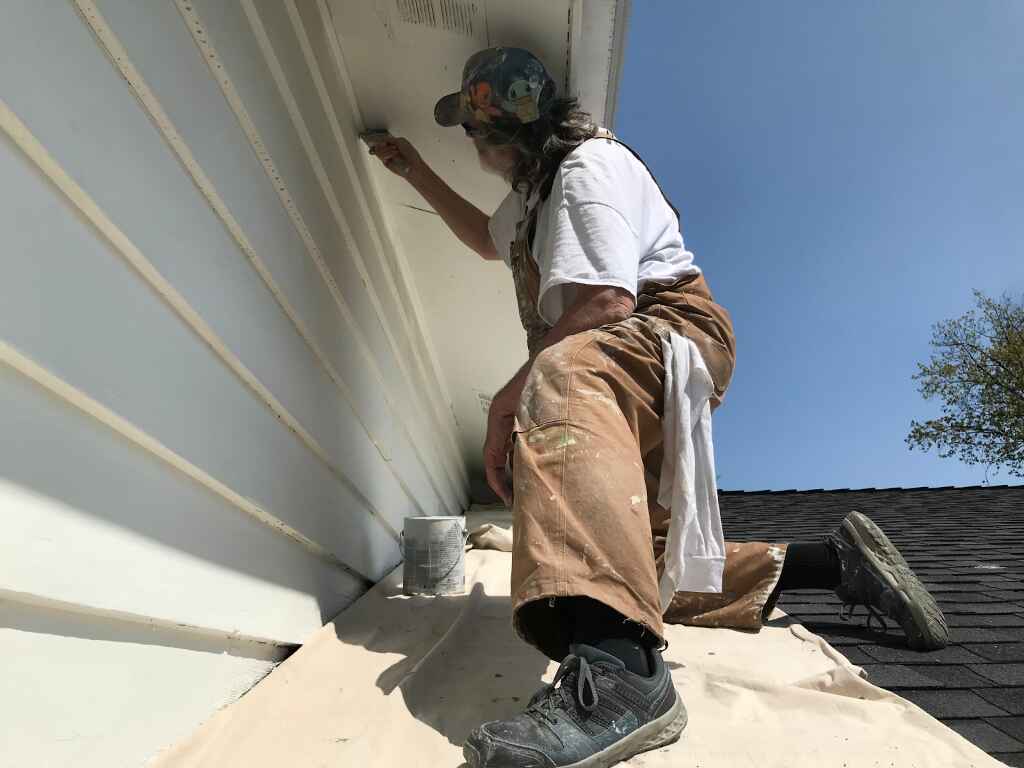
The phrase common exterior painting mistakes is frequently treated as a casual checklist of minor cosmetic oversights, such as getting paint on a window frame or spilling droplets on a walkway. In professional construction engineering, however, this perspective is dangerously incomplete. These errors represent fundamental breakdowns in substrate preparation, environmental assessment, and chemical selection that compromise the entire building envelope. Addressing surface failures requires analyzing the root causes of film degradation rather than simply applying a fresh coat over compromised layers.
Common Misunderstandings and Oversimplification Risks
A widespread misconception among property owners is that power washing a building facade immediately prior to painting is sufficient preparation for all surfaces. In reality, high-pressure water forces moisture deep into wood fibers and masonry pores. If painting commences before the substrate dries completely, the trapped water creates internal vapor pressure, leading to massive blistering and peeling within weeks.
Another critical oversimplification involves assuming that all exterior paints are interchangeable across different substrates. Applying a standard acrylic latex directly over rusted galvanized steel or chalky, unprimed stucco guarantees immediate adhesion failure. True mastery of execution requires matching specific primer formulations and resin chemistries to the exact chemical profile of the underlying substrate.
Deep Contextual Background: The Evolution of Architectural Coating Technology
The historical trajectory of exterior finishes reflects major shifts in industrial resin chemistry and environmental regulation, directly altering how films cure, age, and fail. Historically, structures were coated with traditional solvent-borne alkyds and heavy oil bases. While these systems offered deep initial wood penetration, they oxidized continuously, turning rigid and brittle over time. Their long curing times and mandatory solvent thinners drove up labor overhead and limited seasonal application windows.
The introduction of synthetic waterborne acrylic emulsions revolutionized project economics by offering rapid drying times, water clean-up, and superior film flexibility. However, early water-based formulas struggled with adhesion over legacy oil paints. This limitation forced the development of high-solids, self-priming acrylic resins and specialized bonding primers that bridge old and new layers. Understanding this historical progression helps modern facility managers evaluate coating errors through the lens of labor productivity and long-term durability.
Conceptual Frameworks and Mental Models
Navigating surface restoration requires structured mental models that address interfacial physics, moisture transport, and stress distribution.
1. The Interfacial Adhesion Gradient
This model evaluates the bond strength between the substrate, the primer, the legacy paint layers, and the new topcoat. It dictates that overall system durability is limited by the weakest interface within that multi-layer stack.
2. The Osmotic Pressure and Vapor Drive Balance
A failing paint film often acts as a trap for migrating moisture. This framework conceptualizes the wall assembly as a dynamic system where interior or exterior vapor seeks equilibrium, generating hydrostatic pressure that forces the coating away from the substrate.
3. The Thermal Expansion and Shear Stress Matrix
Different building materials expand and contract at disparate rates under solar radiation. This mental model analyzes how thermal shear stresses concentrate at paint layer boundaries, triggering brittle fracture and subsequent flaking.
Key Categories and Manifestations of Execution Errors
Understanding the landscape of common exterior painting mistakes requires identifying the specific physical patterns and environmental causes of coating failure. The table below outlines primary execution errors and their associated technical impacts.
| Error Category | Primary Substrates | Visual Characteristics | Root Causes | Optimal Remediation Protocol |
| Inadequate Substrate Washing | Wood, Masonry, Metal | Flaking paint, localized blistering, dirt inclusion | Failing to remove chalk, grease, salt, and biological spores | Power wash with appropriate cleaners, rinse thoroughly, dry |
| Ignoring Moisture Thresholds | Wood Siding, Stucco | Rapid blistering, wood rot, peeling sheets | Painting while substrate moisture content exceeds 15% | Use digital moisture meter, wait for full substrate dry-down |
| Solar Heat Skinning | Metal, Direct Sun Elevations | Hard, brittle blisters shortly after application | Painting in direct, hot sunlight causing rapid surface drying | Paint following the shade; avoid peak solar heat elevations |
| Incompatible Layer Over-Application | Mixed Alkyd/Latex Systems | Wrinkling, cracking, and sliding paint layers | Applying water-borne latex over slick, unprimed alkyd | Sand legacy surfaces, apply high-adhesion bonding primer |
| Excessive Film Thickness | All Substrates | Sagging, mud-cracking, solvent entrapment | Applying heavy, un-backed coats to speed up coverage | Apply thin, uniform coats using proper mil thickness gauges |
| Skipping Primer on Bare Substrates | Bare Wood, Stucco, Metal | Tannin bleed, rust staining, premature peeling | Omitting dedicated primer on porous or reactive surfaces | Apply stain-blocking or rust-inhibitive primer before topcoat |
Realistic Decision Logic for Defect Prevention
When professional applicators evaluate a project site to avoid common exterior painting mistakes, they assess environmental constraints before opening a single gallon. For instance, painting a south-facing metal or wood elevation in mid-afternoon during July guarantees solar heat blistering due to rapid skinning. Shifting the painting schedule to follow the morning shade and verifying that wood moisture content sits below 15 percent eliminates these thermal and moisture variables entirely.
Detailed Real-World Scenarios and Operational Contexts
Execution errors unfold across diverse operational environments, each presenting unique structural constraints and weather challenges.
A : Coastal Residential Wood Siding Project
-
Constraints: High morning relative humidity, rapid afternoon solar radiation, and sea salt deposition on exterior walls.
-
Decision Points: Waiting until late morning for dew to evaporate, measuring wood moisture content with a digital meter, and stopping work by mid-afternoon before high humidity returns.
-
Failure Modes: Painting over damp wood early in the morning, leading to severe moisture vapor blistering within two weeks.
-
Second-Order Effects: Flawless film adhesion, extended coating lifespan, and zero callback expenditures for the contractor.
B : Commercial Metal Building Repaint
-
Constraints: Dark color selection, direct industrial sun exposure, and strict maintenance downtime windows.
-
Decision Points: Utilizing specialized heat-reflective coatings, applying thin, even coats via airless spray equipment, and scheduling work during overcast weather windows.
-
Failure Modes: Applying thick coats of dark paint in direct sunlight, causing instant solvent trapping, blistering, and aesthetic failure.
-
Second-Order Effects: Preserved metal substrate integrity, optimal film coalescence, and professional architectural presentation.
C : Stucco Facade Restoration in a Humid Climate
-
Constraints: High substrate porosity, trapped ground moisture, and evening dew condensation.
-
Decision Points: Applying a breathable, vapor-permeable masonry coating system and ensuring proper curing intervals between coats.
-
Failure Modes: Sealing damp stucco with an impermeable elastomeric membrane, trapping moisture vapor and causing massive sheet bubbling.
-
Second-Order Effects: Stable masonry substrate, prevention of spalling, and long-term facade durability.
Planning, Cost, and Resource Dynamics
Budgeting for surface preparation and environmental scheduling requires balancing labor timing flexibility against the high cost of project rework.
Direct and Indirect Cost Factors
-
Labor Scheduling Flexibility: Allocating crew hours to adapt to changing weather windows, temperature shifts, and humidity spikes.
-
Diagnostic Equipment Investment: Purchasing professional moisture meters, infrared thermometers, and hygrometers to verify job-site readiness.
-
Material Selection and Formulation: Cost differentials between standard paints and advanced formulations designed to resist surfactant leaching and blistering.
-
Rework and Mitigation Costs: Financial losses incurred when failing paint forces complete scraping, stripping, and repainting.
Budgetary Range Reference
-
Proactive Environmental Planning and Prep: $1.50 – $3.00 per square foot. Includes moisture testing, thorough washing, sanding, and proper primer selection.
-
Standard Reactive Rework for Failed Walls: $3.50 – $7.00 per square foot. Includes scraping failed blisters, feather-sanding, spot-priming, and full repainting.
-
Comprehensive Historic Stripping and Restoration: $5.00 – $10.00+ per square foot. Required when systemic moisture damage destroys multiple coating layers.
-
Preventive Maintenance Auditing: $0.25 – $0.50 per square foot annually. Routine inspection of moisture seals, caulking, and coating integrity.
Tools, Strategies, and Support Systems
Avoiding common exterior painting mistakes relies on specialized diagnostic instruments, environmental monitors, and application machinery.
-
Digital Substrate Moisture Meters: Pin and pin-less meters essential for verifying that wood, drywall, or masonry moisture levels are below safe thresholds.
-
Infrared Surface Thermometers: Laser tools used to check substrate temperatures, ensuring walls are not exceeding maximum recommended application limits.
-
Sling Psychrometers and Hygrometers: Instruments that measure relative humidity and dew point to prevent surfactant leaching and improper film coalescence.
-
Wet Film Thickness (WFT) Gauges: Precision combs ensuring applicators do not apply excessive film builds that trap solvents or moisture.
-
Fine-Finish Airless Sprayers with Back-Rolling: Equipment configured to deliver uniform, controlled paint thickness without heavy pooling.
-
CSI MasterFormat Specifications: Standardized contract guidelines ensuring environmental parameters, drying times, and quality standards are legally enforced.
-
Low-Nap Microfiber Roller Covers: Professional rollers designed to deposit smooth, even films free of air entrapment bubbles.
Risk Landscape and Failure Modes
Ignoring environmental and substrate parameters introduces distinct failure modes that compromise coating performance.
Taxonomy of Execution Risks
-
Solar Skinning Failure: Rapid solvent or water evaporation at the film surface due to high heat, sealing wet material underneath and causing heat blisters.
-
Moisture Drive Delamination: Unaddressed water vapor moving through the wall assembly, breaking the adhesive bond between primer and substrate.
-
Surfactant Pooling: Water-soluble compounds migrating to the surface in humid conditions, forming sticky blisters that attract dirt and fail.
-
Inter-Coat Solvent Entrapment: Applying a fast-drying topcoat over an uncured alkyd primer, causing wrinkling, bubbling, and structural weakness.
-
Dew Point Precipitation: Ambient temperature dropping to the dew point during film curing, ruining water-based emulsion coalescence.
Governance, Maintenance, and Long-Term Adaptation
Preventing long-term coating degradation requires structured monitoring protocols and proactive environmental management.
Monitoring and Review Cycles
Property managers should institute formal inspection schedules:
-
Seasonal Environmental Audits: Inspecting weather-facing elevations after heavy rainfall or high-heat summer months for early signs of bubbling or edge lifting.
-
Moisture Seal Inspections: Checking window perimeters, roof flashings, and expansion joints annually to ensure water cannot enter the wall cavity.
-
Coating Integrity Reviews: Evaluating film gloss and adhesion every three to five years to forecast maintenance requirements.
Layered Maintenance Checklist
-
[ ] Monitor local humidity and temperature conditions strictly before authorizing exterior painting operations each morning.
-
[ ] Maintain all caulking and weather-stripping assemblies to prevent water infiltration behind siding and trim.
-
[ ] Promptly scrape, sand, and spot-prime any minor surface defects before they expand into widespread delamination.
-
[ ] Keep landscaping vegetation and mulch pulled back from exterior foundation walls to reduce ground moisture drive.
Measurement, Tracking, and Evaluation
Assessing the success of preventative painting protocols requires tracking quantitative environmental data and application metrics.
Leading vs. Lagging Indicators
-
Leading Indicators: Daily moisture meter logs, surface temperature records, relative humidity checks, and wet film thickness verification sheets.
-
Lagging Indicators: Frequency of blistering callbacks, visual coating rating over a three-year period, and overall service lifespan achieved.
Documentation Examples for Asset Portfolios
-
Environmental Curing Log: Daily records capturing ambient temperature, surface temperature, relative humidity, and dew point during paint application.
-
Substrate Moisture Verification Sheet: Documented moisture readings confirming wood or masonry fell below acceptable thresholds prior to priming.
-
Manufacturer Data Compliance Ledger: Centralized storage of paint technical data sheets verifying adherence to recommended application windows and film thicknesses.
Common Misconceptions and Oversimplifications
-
Myth 1: “Any paint brand can be applied in direct sunlight without risk of failure.”
-
Correction: High solar heat causes rapid surface skinning across all paint types, trapping solvents and moisture to form solar heat blisters.
-
-
Myth 2: “If a wall feels dry to the touch, it is safe to paint immediately.”
-
Correction: Internal moisture trapped deep within wood fibers or masonry will expand under solar drive, causing severe blistering regardless of surface feel.
-
-
Myth 3: “Applying thicker coats of paint provides better protection against weather.”
-
Correction: Excessively thick films trap moisture and solvents, leading directly to bubbling, sagging, and premature structural failure.
-
-
Myth 4: “Painting in high humidity only slows down drying time without other consequences.”
-
Correction: High humidity disrupts waterborne emulsion coalescence and triggers surfactant leaching, resulting in sticky, glossy blisters.
-
-
Myth 5: “Primer is unnecessary when repainting stable, previously painted surfaces.”
-
Correction: Bare spots, chalky transition areas, and glossy legacy films require proper priming to ensure chemical bonding and prevent lifting.
-
-
Myth 6: “Surface defects are purely aesthetic issues that do not affect structural integrity.”
-
Correction: Failing paint exposes the underlying wood, metal, or masonry to direct moisture intrusion, accelerating rot, rust, and structural decay.
-
Ethical, Practical, and Environmental Considerations
Stewardship of architectural assets involves balancing technical precision with environmental responsibility and worker safety. Implementing professional protocols regarding execution standards ensures that resources are conserved and waste is minimized.
Proper environmental management prevents premature coating failures, reducing the frequency of chemical stripping, abrasive waste generation, and repeated material consumption. Furthermore, adhering strictly to temperature and humidity parameters ensures that zero-VOC and low-VOC formulations cure correctly without emitting hazardous breakdown products. Responsible asset governance demonstrates that technical precision and environmental protection are mutually reinforcing objectives.
Conclusion: Synthesis and Long-Enduring Asset Strategy
Mastering the prevention of common exterior painting mistakes requires a sophisticated synthesis of environmental meteorology, polymer chemistry, and disciplined application mechanics. Rejecting the superficial assumption that painting is a casual mechanical chore allows property owners and facility managers to protect their structural assets efficiently and sustainably.
Achieving long-term coating security relies on rigorous substrate moisture testing, precise solar-thermal scheduling, appropriate primer specification, and strict adherence to film thickness limits. When these foundational principles are consistently applied, property owners successfully eliminate execution failures while preserving the structural integrity and aesthetic value of their architectural investments for decades to come.