Best Colonial House Painting USA: A Comprehensive Guide
The architectural lineage of American Colonial structures—ranging from the asymmetric saltboxes of New England and the symmetrical Georgian manors of the Mid-Atlantic to the brick-heavy Federal townhouses and deep-porched Southern plantations—presents a complex conservation challenge. Standard commercial painting specifications routinely fail to manage the unique vulnerabilities of these historic vertical assemblies. When architectural historians, heritage property stewards, and historic homeowners evaluate protective coating strategies, they negotiate intricate intersections of historical pigmentology, old-growth wood pathology, masonry vapor permeability, and regional climate stressors.
Preserving the structural envelope and authentic aesthetic of multi-century American architectural assets requires moving far beyond generic color palettes or quick-drying exterior acrylic applications. Consequently, executing the best colonial house painting usa projects demands rigorous adherence to historical authenticity, multi-stage wood and masonry stabilization, and precise brush-and-roll techniques that respect traditional lap siding lines. Property owners frequently underestimate how complex historic building physics—such as old-growth white pine expansion coefficients, multi-layered legacy lead paint stabilization, and original lime mortar breathability—interact with modern elastomeric coatings and synthetic formulations. Without rigorous technical oversight, improper surface preparation leads to catastrophic moisture trapping, rapid wood checking, and premature film delamination under intense solar radiation.
Navigating elite historic residential painting projects successfully necessitates an analytical framework that treats exterior clapboards, historic double-hung windows, decorative cornices, and structural brickwork as an integrated thermal and moisture system. Sheen harmonization, vapor permeability verification, and chemical stripping protocols must align precisely with regional climate realities. Master restoration artisans understand that long-term asset preservation depends entirely on disciplined substrate stripping, meticulous carpentry stabilization, and moisture mitigation before a single drop of premium historical coating is applied.
Understanding “best colonial house painting usa”
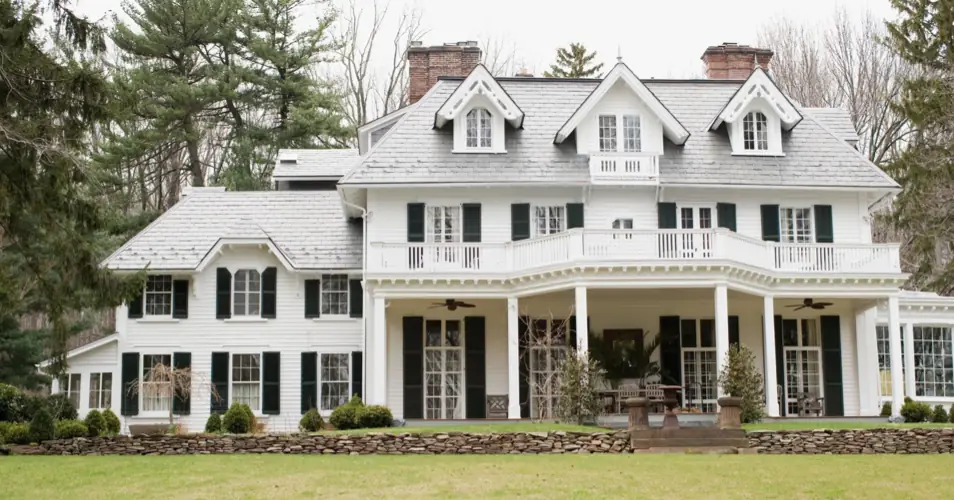
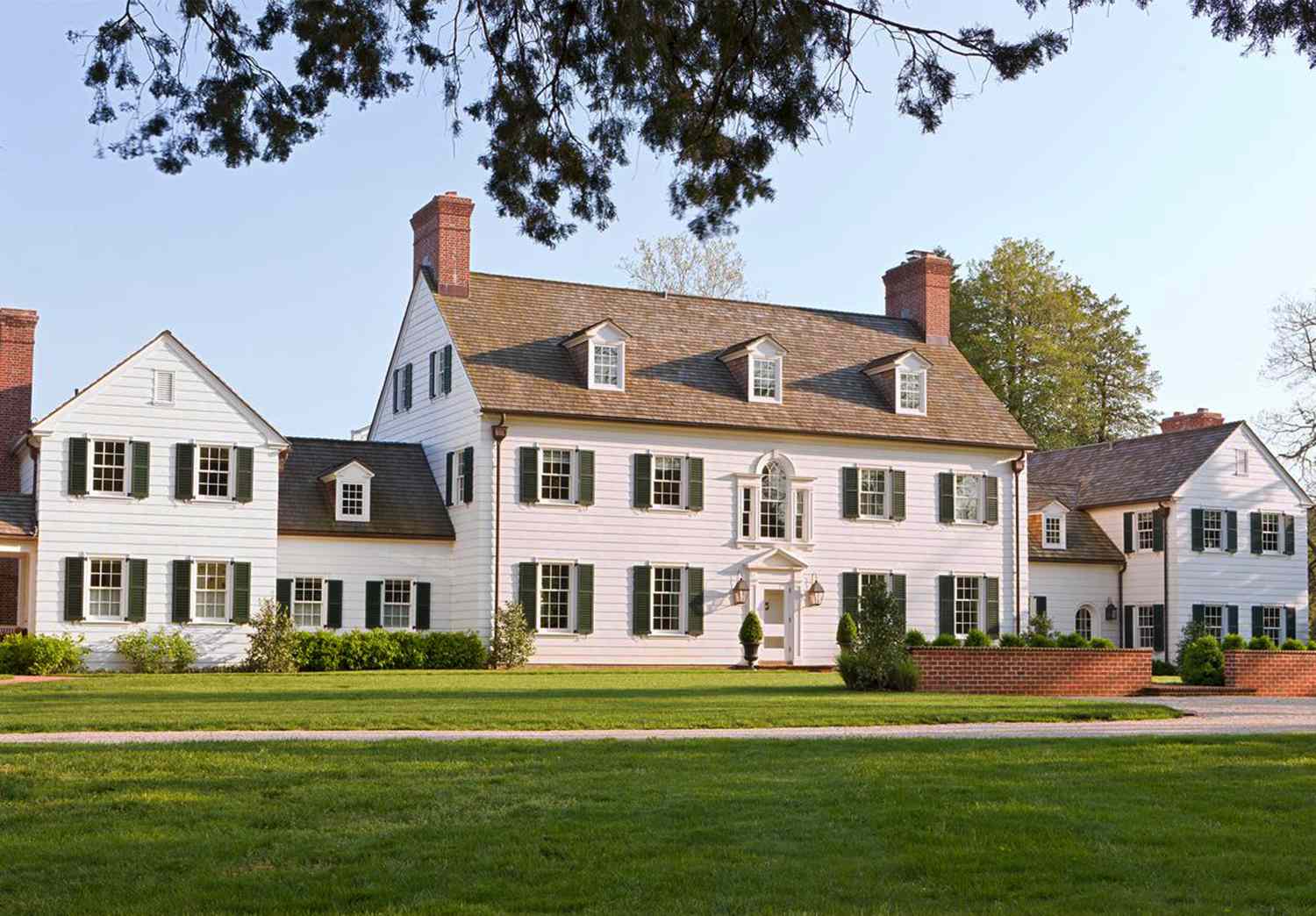
The exact phrase best colonial house painting usa appears across historic preservation compendiums, architectural monographs, and specialized restoration portfolios. Yet, its practical execution is frequently obscured by generalized marketing narratives that reduce historic preservation to a simple matter of selecting traditional exterior paint colors from a hardware store swatch card. At its core, executing authentic colonial revival and historic restoration painting involves balancing historical pigment authenticity, substrate breathability, wood stabilization, and long-term film durability across diverse regional environments.
A pervasive misunderstanding frames colonial restoration painting as a basic cosmetic refresh where applying heavy-bodied modern acrylic paint over peeling historic siding guarantees long-term weather protection. In professional historic preservation technology, however, sealing dense old-growth wood or breathable lime masonry with impermeable synthetic films often traps interior moisture, causing massive blistering and rot. This distinction highlights that elite historic painting is fundamentally a building pathology challenge. Blaming coating manufacturers for premature peeling typically ignores underlying moisture intrusion, incompatible legacy oil layers, or inadequate wood sanding protocols.
Oversimplification risks also plague historic real estate discourse. Discussions often reduce painting choices to selecting between a Williamsburg blue or historical white body-and-trim scheme based on generic aesthetic trends. Modern historic envelopes require sophisticated multi-tier coating systems instead, involving chemical stripping, epoxy wood consolidation, breathable oil-primers, and vapor-permeable topcoats. Consequently, realizing true excellence in the best colonial house painting usa market requires absolute structural rigor across every stage of the restoration lifecycle.
Deep Contextual Background
The evolution of historic residential painting across the United States reflects profound shifts in chemical manufacturing, architectural philosophy, and preservation standards. Throughout the seventeenth and eighteenth centuries, early American colonists utilized simple, locally available materials for shelter protection. Paints were formulated from milk bases (casein), linseed oil, turpentine, and natural earth pigments such as ochres, charcoal, and chalk. While these traditional formulations penetrated old-growth white pine and oak siding deeply, they weathered slowly through chalking and required frequent maintenance cycles.
During the mid-nineteenth and twentieth centuries, the widespread commercial adoption of synthetic acrylic resins and petroleum-based alkyds revolutionized the painting industry. While these modern paints offered rapid drying times and enhanced color retention, their introduction caused severe compatibility conflicts when applied over fragile historic oil paint layers. Uninformed contractors frequently applied rigid synthetic acrylics over flexible historic oil substrates, triggering massive delamination across thousands of American colonial homes.
In the twenty-first century, the rise of strict historic preservation districts, Green Building standards, and advanced material science transformed colonial restoration into a highly specialized discipline. Property owners increasingly utilize specialized potassium silicate mineral paints, micro-porous linseed oil emulsions, and custom color-matched alkyd hybrids. Residential preservation technology has thus matured from an ad-hoc artisanal craft into an exact science governed by strict historic guidelines and chemical analysis.
Conceptual Frameworks and Mental Models
Navigating the complexities of high-performance historic restorations requires robust mental models that structure how professional specifiers analyze substrate mechanics and coating systems.
The Vapor-Permeable Breathability Model
This framework evaluates how moisture vapor escapes through exterior wall assemblies, ensuring that applied coatings allow old-growth wood and brick to dry naturally without trapping interior condensation.
-
Limits: It focuses heavily on moisture dynamics while underestimating solar UV degradation rates on exposed elevations.
The Wood Substrate Consolidation and Stabilization Hierarchy
This model tracks how degraded historic joinery, corner boards, and rotted sill plates are structurally rehabilitated using epoxy resins and wood fillers before final coating application.
-
Limits: It can overemphasize chemical patch fixes while ignoring underlying structural framing deficiencies.
The Historic Palette Harmonization Model
This model examines how architectural body, trim, sash, and shutter colors interact with natural shadow lines, roof pitches, and surrounding colonial landscape elements.
-
Limits: It relies on subjective aesthetic interpretations that can conflict with strict local historical commission mandates.
The Controlled Micro-Environment Stripping Model
This model analyzes how infrared heat plates and chemical strippers remove decades of accumulated lead paint without scorching delicate historic wood grain.
-
Limits: It requires intensive manual labor and careful hazardous waste management protocols.
Key Categories or Variations
Colonial residential coating requirements vary dramatically depending on regional architectural sub-types, climate exposure zones, and historical preservation constraints.
| Architectural Sub-Type & Regional Context | Primary Environmental Stressor | Dominant Structural Challenge | Effective Restoration & Coating System |
| New England Saltbox (Northeast) | Coastal Nor’easters, high humidity, and salt spray | Fungal decay, paint blistering, and shingle warping | Penetrating oil-resin sealer followed by vapor-permeable solid stain |
| Georgian Brick Manor (Mid-Atlantic) | Freezing moisture, efflorescence, and masonry spalling | Mortar joint deterioration and moisture trapping | Vapor-permeable potassium silicate mineral paint and lime wash |
| Federal Townhouse (Urban Northeast) | Urban pollution, acid rain, and thermal shock | Substrate movement, wood checking, and paint crazing | Breathable linseed-modified alkyd primer and high-solids satin topcoat |
| Southern Plantation Colonial (Southeast) | High humidity, torrential rainfall, and mold growth | Mildew proliferation, wood rot, and moisture retention | Fungicide-infused breathable acrylic coating and moisture-resistant primers |
| Dutch Colonial Gambrel (Midwest) | Extreme seasonal temperature swings and freeze-thaw cycles | Siding cupping, joint separation, and moisture migration | Elastic alkyd-acrylic hybrid primer and breathable satin finish |
| Spanish-Influenced Colonial (Florida/Gulf) | Tropical downpours, intense UV, and salt corrosion | Stucco cracking, efflorescence, and metal oxidation | Elastomeric masonry primer and breathable micro-porous acrylic finish |
Realistic Decision Logic for Categorization
When a master restoration artisan seeks to execute the best colonial house painting usa standard, they must categorize their regional climate exposure and primary substrate first. Coastal New England saltboxes require penetrating oil-resins to manage salt spray, whereas Mid-Atlantic brick manors demand vapor-permeable mineral silicate coatings to prevent masonry spalling. Applying a uniform national paint specification across dissimilar regional climates guarantees structural and aesthetic failure.
Detailed Real-World Scenarios
To understand how historic colonial coating engineering functions in practice, consider four distinct operational environments governed by unique physical constraints and preservation mandates.
A : Massachusetts Saltbox Timber Restoration
-
Context: Restoring the exterior clapboard siding and double-hung windows of a 1740s saltbox home in coastal Massachusetts.
-
Constraints: Severe Nor’easter storms, salt air corrosion, and historic preservation board oversight.
-
Decision Points: Choosing between total chemical stripping down to bare old-growth white pine versus localized scraping, sanding, and spot priming.
-
Failure Modes: Power-washing old pine clapboards at high pressure to remove failing paint, gouging the soft wood grain and destroying historic bevels.
-
Second-Order Effects: Utilizing low-temperature infrared paint removal tools and hand-scraping preserves historic wood texture, ensuring a stable foundation for a breathable historic finish.
B : Virginia Georgian Brick Manor Stabilization
-
Context: Rehabilitating and painting original soft-fired brickwork and historic wood trim on an 18th-century Georgian estate in Virginia.
-
Constraints: Rising damp, historic lime mortar joints, and vapor transmission requirements.
-
Decision Points: Selecting standard waterproof acrylic masonry paints versus traditional breathable mineral silicate coatings.
-
Failure Modes: Applying a non-porous synthetic acrylic paint over historic brick, trapping moisture and causing the brick face to spall during freeze-thaw cycles.
-
Second-Order Effects: Applying a vapor-permeable silicate paint allows moisture vapor to escape freely, protecting the historic masonry structural integrity.
C : Philadelphia Federal Townhouse Facade Overhaul
-
Context: Maintaining a historic Federal-style brick and wood townhouse in downtown Philadelphia.
-
Constraints: Urban pollution, strict historic district color restrictions, and scaffold staging limits.
-
Decision Points: Specifying high-gloss synthetic oil enamels versus traditional satin oil-modified finishes for historic shutters and doors.
-
Failure Modes: Using hard, brittle modern paints on historic operating shutters, causing the joints to bind and crack under thermal expansion.
-
Second-Order Effects: Utilizing flexible, high-solids traditional finishes preserves shutter mechanics and authentic historical sheen levels.
D : Charleston Historic Charleston Single House
-
Context: Restoring a historic piazza-style colonial home in coastal South Carolina.
-
Constraints: Extreme humidity, fungal growth, and intense ultraviolet solar exposure.
-
Decision Points: Utilizing standard commercial mildew-resistant paints versus specialized multi-tier fungicidal acrylic coatings.
-
Failure Modes: Skipping application surface sterilization, leading to rapid mold telegraphing through the new paint film within months.
-
Second-Order Effects: Enforcing thorough chemical washing with biocide treatments before priming ensures long-term resistance against tropical mold proliferation.
Planning, Cost, and Resource Dynamics
Executing elite colonial residential restoration projects requires navigating direct material expenditures, intensive labor overhead, and hidden asset preservation economics. Property owners frequently falter by evaluating contractor bids solely through material costs rather than total labor hours dedicated to meticulous hand-scraping, lead abatement safety, and wood repair.
Direct costs include historic pigment-matched paints, chemical strippers, epoxy wood restorers, and scaffolding rentals. Indirect costs involve EPA-certified lead containment, negative air monitoring, historic commission filing fees, and master artisan labor rates. Opportunity costs manifest when delayed historic painting allows moisture intrusion to rot original window sashes and structural framing, converting a simple paint restoration into an expensive timber reconstruction.
| Cost Element | Reactive Approach (Standard Commercial Repaint) | Proactive Approach (Bespoke Colonial Restoration) | Financial & Operational Impact |
| Surface Preparation | Power washing, quick scraping, and cheap acrylic caulk | Complete paint stripping, hand-sanding, and epoxy wood repair | Higher upfront labor cost; eliminates peeling and preserves historic wood |
| Primer Selection | Generic utility primer or painting over failing layers | Breathable oil-resin primers or alkali-resistant mineral sealers | Higher initial material cost; prevents tannin bleed and ensures vapor transmission |
| Application Method | Fast roller and spray application by general painting crews | Precision hand-brushing and back-brushing following grain lines | Maximizes wood penetration, respects historic aesthetics, and ensures durability |
| Environmental Control | No weather monitoring or moisture testing | Enclosures, HEPA dust containment, and digital moisture meters | Prevents environmental contamination and ensures proper paint film curing |
Managing variability remains a central challenge in project planning. Unpredicted wood rot discovered beneath old paint layers, sudden rainstorms, and strict historic district review delays can distort project timelines. Robust planning frameworks incorporate dynamic schedule buffers and structured contingency funds.
Tools, Strategies, and Support Systems
Deploying professional colonial restoration painting processes requires a specialized suite of historic preservation tools and application equipment. Relying on standard modern commercial painting tools for historic homes guarantees damage to delicate architectural details.
-
Infrared Paint Removal Plates: Low-temperature thermal units designed to soften multiple layers of historic lead paint without scorching underlying wood grain. Limits: Requires careful handling to avoid electrical hazards or glass breakage on historic windows.
-
Hand-Forged Scrapers and Profiles: Specialized profiling scrapers matched to historic molding contours to clean paint out of deep channels without rounding sharp edges. Limits: Requires skilled artisan dexterity to avoid gouging soft wood.
-
Digital Wood Moisture Meters: Pin-type and pinless diagnostic devices used to measure internal moisture percentages in historic siding before painting. Limits: Readings can be skewed by surface condensation or chemical treatments.
-
Precision Natural Bristle Brushes: High-grade Chinese hog bristle or ox-hair brushes designed to work thick oil and alkyd paints deep into wood pores. Limits: Requires meticulous cleaning and maintenance after every use.
-
HEPA Lead Containment and Vacuum Systems: Specialized negative air filtration units required by federal regulations during historic paint scraping. Limits: Adds significant equipment overhead and setup time.
-
Scaffolding and Modular Rigging Systems: Safe elevated platforms designed to reach steep colonial gables and complex architectural cornices. Limits: Requires professional engineering setup on sloping historic terrain.
Risk Landscape and Failure Modes
Every historic colonial painting intervention introduces severe technical vulnerability vectors. Understanding how preservation systems fail prevents catastrophic aesthetic loss and permanent historic fabric destruction.
A primary risk is moisture entrapment and blistering. When modern impermeable synthetic latex paints are applied over old oil-based historic paint without proper priming, any moisture entering from the interior becomes trapped behind the non-porous film, causing massive blistering and wood rot.
Another critical vulnerability is historic detail degradation through aggressive power washing or mechanical sanding. Using heavy-duty commercial pressure washers or aggressive belt sanders on historic cedar or pine siding destroys original tool marks, rounds sharp bevels, and damages soft old-growth fibers.
Compounding risks emerge when incompatible chemical products are layered together—such as applying a modern urethane over an active linseed oil base without curing intervals—resulting in wrinkling, chemical rejection, and premature coating failure.
Governance, Maintenance, and Long-Term Adaptation
Achieving lasting operational stability in historic colonial residential finishes depends on rigorous inspection governance and proactive maintenance schedules. Without formal review cycles and preventative care, expensive restoration work rapidly degrades.
Governance must begin with strict adherence to historic district guidelines, manufacturer application temperature windows, and moisture thresholds. Maintenance of optimized historic properties requires gentle annual washing with mild botanical soaps, prompt touch-up of minor weathering using batch-matched historic paints, and annual inspection of roof flashing and gutter systems. Adjustment triggers should be clearly defined: if chalking rate accelerates, if hairline cracking appears at wood joints, or if moisture readings spike, the property manager must immediately schedule a localized maintenance intervention.
This cyclical feedback loop ensures that the coating system adapts to environmental aging and seasonal stress without compromising historic architectural integrity.
Measurement, Tracking, and Evaluation
Evaluating colonial house painting performance requires balancing leading and lagging indicators alongside qualitative signals to ensure long-term preservation success.
-
Lagging Indicators: Total years elapsed before first major maintenance cycle, color retention stability, and absence of peeling or blistering across seasons. These metrics confirm past artisan performance.
-
Leading Indicators: Wood moisture content logs during prep, surface preparation grit logs, and dry film thickness verification records. These indicators catch process drift early.
-
Qualitative Signals: Authentic hand-brushed texture, harmonious historic color contrast, crisp separation lines between body and trim, and overall preservation of historic wood and brick character.
Documentation Examples
Professional preservation operations should utilize standardized project logs:
-
Historic Substrate Analysis Log: Records wood or masonry species identification, moisture percentages, and pre-existing paint layer history.
-
Coating and Pigment Specification Sheet: Tracks specific historic color formulations, manufacturer batch numbers, and applied film thicknesses.
-
Environmental Compliance Log: Documents ambient temperature, relative humidity, and substrate moisture levels recorded during application and curing windows.
Common Misconceptions and Oversimplifications
The technical discourse surrounding historic colonial house painting contains persistent myths that undermine professional preservation standards.
-
Myth: Modern exterior paints labeled “self-priming” eliminate the need for specialized oil or resin primers on historic weathered wood.
-
Correction: Self-priming acrylics cannot penetrate degraded historic wood fibers, block deep-seated tannin bleed, or establish proper vapor-permeable bonding.
-
-
Myth: Power washing is the fastest and safest method to strip decades of old paint from historic wood siding.
-
Correction: High-pressure water forces moisture deep into historic wall cavities and shreds soft old-growth wood grain.
-
-
Myth: Historic colonial homes should always be painted in stark brilliant white modern color palettes.
-
Correction: Authentic colonial aesthetics rely on complex, earthy multi-tone palettes derived from historical pigment research.
-
-
Myth: Painting in direct summer sunlight speeds up exterior drying and ensures a harder, more durable finish.
-
Correction: Direct solar heat causes liquid carriers to flash-evaporate too rapidly, trapping solvents and causing immediate blistering.
-
-
Myth: All exterior caulking is compatible with historic wood movement and traditional oil paints.
-
Correction: Inexpensive acrylic caulks shrink and tear under wood expansion, whereas high-grade elastomeric or hybrid sealants are required.
-
-
Myth: Lead paint abatement requires gutting historic siding rather than careful stabilization and containment.
-
Correction: Careful chemical and thermal stabilization preserves original historic siding while ensuring complete environmental and occupant safety.
-
Ethical, Practical, or Contextual Considerations
Major historic colonial restoration projects carry profound cultural, environmental, and practical dimensions that extend beyond immediate visual aesthetics.
The preservation of original old-growth lumber and handmade brick through meticulous hand-restoration rather than wholesale demolition embodies core principles of environmental sustainability and embodied carbon conservation. Furthermore, complying with strict federal and state lead safety regulations during paint removal protects both artisan health and surrounding neighborhood ecosystems from toxic contamination.
Practically, property owners and historic homeowners must balance absolute authenticity aspirations with practical environmental realities. Insist on cheap commercial painting contractors to minimize upfront costs, and premature peeling will destroy historic wood siding. Cut corners on wood repair or moisture management, and architectural decay will multiply exponentially. True professional maturity lies in executing the best colonial house painting usa standard without sacrificing historic architectural integrity, environmental stewardship, or structural longevity.
Conclusion
Mastering the execution of the best colonial house painting usa projects demands a structural shift from casual decorative application to rigorous wood science, historic pigmentology, vapor-permeable chemistry, and disciplined process governance. By examining historical precedents, applying robust mental frameworks, navigating coating trade-offs, and establishing closed-loop quality monitoring, professionals can transform deteriorating historic structures into durable, optically authentic architectural landmarks. True preservation excellence is achieved not through shortcuts, but through meticulous surface preparation, environmental adaptation, and uncompromising craftsman execution discipline.