Best Residential Painting United States: A Comprehensive Guide
The residential building envelope across the United States confronts diverse and aggressive regional weathering dynamics. From the hyper-humid coastal strips of the Gulf Coast to the freeze-thaw cycles of New England and the intense solar radiation of the Desert Southwest, exterior and interior coatings act as complex physical shields. When property owners evaluate residential finish work, they rarely recognize that coating performance relies on polymer science, substrate moisture equilibrium, and thermal stress mechanics.
Achieving enduring architectural protection requires looking far beyond retail color selection or superficial film application. The execution of best residential painting united states demands rigorous control over vapor permeability metrics, substrate surface preparation standards, and primer-topcoat chemical compatibility. Property owners frequently underestimate how building physics, such as interior humidity vapor drive and structural expansion, interact with modern paint films. Without technical oversight, microscopic adhesion failures quickly propagate into widespread blistering and substrate rot.
Navigating elite residential coating projects successfully necessitates an analytical framework that treats siding, drywall, trim, masonry, and architectural millwork as integrated thermal and moisture systems. Sheen selection, dry film thickness verification, and chemical curing windows must align precisely with local environmental realities. Master craftsmen understand that long-term asset preservation depends entirely on disciplined subsurface preparation, environmental monitoring, and structural remediation before a single gallon of paint is opened.
Understanding “best residential painting united states”
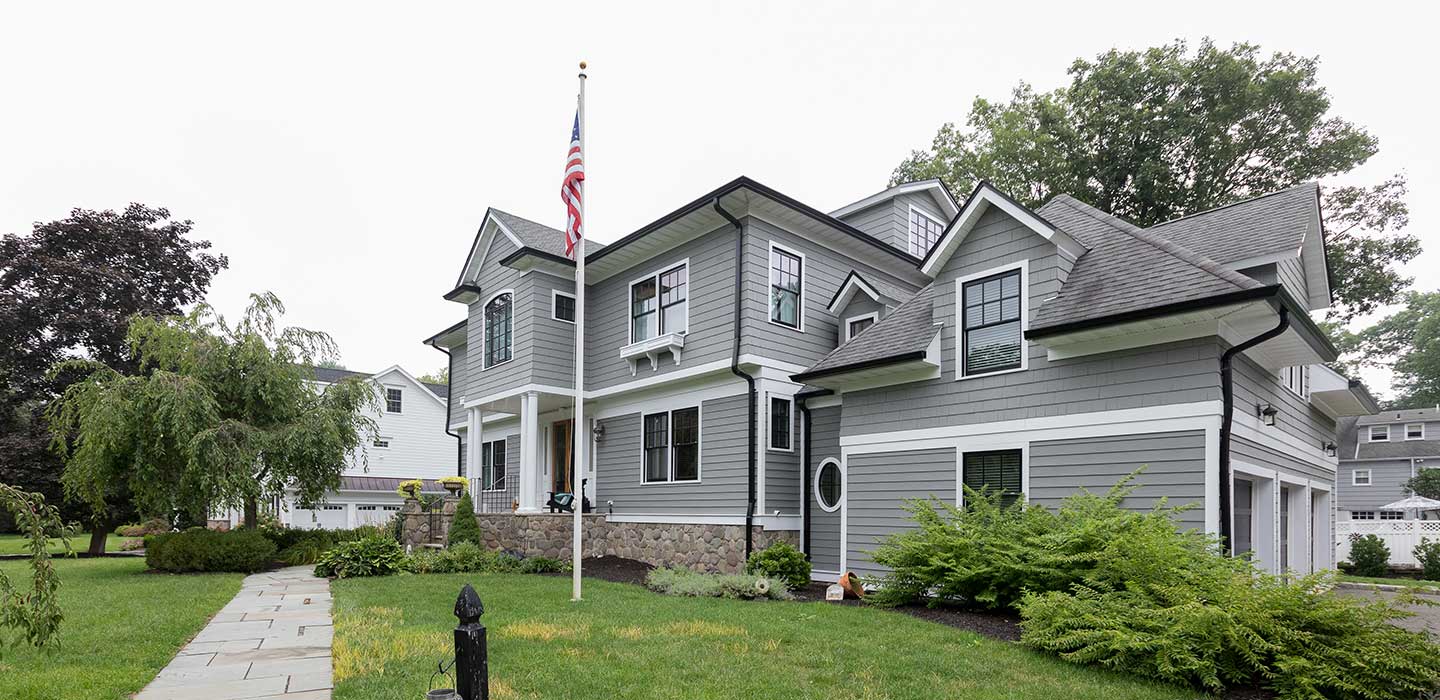
The exact phrase best residential painting united states appears across architectural specifications, preservation guidelines, and high-end contractor portfolios. Yet, its practical execution is frequently obscured by generalized marketing narratives that treat coating selection as a purely aesthetic choice governed by seasonal color trends. At its core, elite residential painting involves balancing moisture vapor permeability, thermal elasticity, adhesion chemistry, and long-term film durability across varied regional exposures.
A pervasive misunderstanding frames residential painting as a basic decorative task where applying heavy paint over unwashed or degraded surfaces guarantees decade-long protection. In professional coating technology, even premium 100% acrylic latex formulas will delaminate instantly if applied over chalky residue, active efflorescence, or moisture-saturated substrates. This distinction highlights that elite residential finishing is fundamentally a surface chemistry and preparation challenge. Blaming paint manufacturers for premature peeling typically ignores underlying moisture pressure, inadequate washing, or incompatible primer applications.
Oversimplification risks also plague residential discourse, which often reduces coating decisions to choosing between flat, satin, or semi-gloss sheens based on immediate visual trends. Modern residential envelopes require sophisticated multi-component coating systems instead. Consequently, realizing true excellence in best residential painting united states requires structural rigor across every stage of the project lifecycle.
Deep Contextual Background
The evolution of residential coatings in the United States reflects profound shifts in chemical engineering, environmental regulations, and construction standards. Throughout much of the twentieth century, protection relied heavily on solvent-based alkyd and oil paints. While these formulations offered deep wood penetration, they produced rigid, brittle films that cracked under thermal stress, emitted high levels of volatile organic compounds, and required arduous scraping during subsequent repainting cycles.
During the late twentieth century, stringent environmental regulations accelerated the transition toward water-borne 100% acrylic latex formulations. These modern resins revolutionized the industry by offering superior ultraviolet resistance, moisture vapor permeability, and rapid clean-up properties. However, early water-borne paints struggled with adhesion on chalky legacy surfaces, necessitating the development of specialized bonding primers and cross-linking acrylic resins.
In the twenty-first century, extreme weather fluctuations and the demand for low-maintenance building envelopes transformed residential painting into a high-technology engineering discipline. Property owners increasingly choose elastomeric masonry coatings, self-permitting acrylic urethane hybrids, and low-VOC interior finishes. Residential coating technology has matured from an ad-hoc craft into an exact science governed by strict regulatory codes and accelerated weathering durability testing.
Conceptual Frameworks and Mental Models
Navigating the complexities of high-performance residential coatings requires robust mental models that structure how professional specifiers analyze film mechanics, moisture dynamics, and substrate interaction.
The Moisture-Vapor Permeability Model
This framework evaluates how coatings manage the movement of water vapor from wall assemblies to the exterior atmosphere, preventing trapped moisture from delaminating the paint film.
-
Limits: It focuses heavily on vapor diffusion while underestimating bulk liquid water intrusion through flashing failures.
The Thermal-Stress Matrix
This model tracks how temperature fluctuations cause substrates to expand and contract, ensuring that the cured film stretches without cracking.
-
Limits: It relies on standardized laboratory elasticity data that can degrade under prolonged environmental exposure.
The Substrate-Adhesion Hierarchy
This model examines molecular bonding capability between primers and legacy substrates, accounting for surface contaminants and chemical compatibility.
-
Limits: It can overemphasize primer performance while neglecting mechanical surface preparation and cleaning.
The Solar-Reflectance Balance
This model analyzes how pigment formulations absorb infrared radiation, influencing indoor cooling loads and thermal movement.
-
Limits: It is subject to regional microclimate variations and aesthetic architectural covenants.
Key Categories or Variations
Residential coating requirements vary dramatically depending on regional climate exposure, substrate composition, and interior versus exterior placement.
| Substrate & Application Pairing | Primary Environmental Stressor | Dominant Structural Challenge | Effective Coating & Primer System |
| Exterior Wood Clapboard in Northeast | Freeze-thaw cycles and high humidity | Wood rot, grain checking, and moisture blistering | Alkyd bonding primer followed by 100% acrylic satin finish |
| Exterior Stucco in Southwest | Intense UV radiation and thermal shock | Hairline cracking, efflorescence, and alkalinity | Alkali-resistant primer and breathable elastomeric acrylic coating |
| Interior Drywall in High-Moisture Bathrooms | Persistent steam and condensation | Mold growth, joint tape bubbling, and film softening | Mold-resistant acrylic primer and moisture-resistant satin topcoat |
| Interior Architectural Millwork | Physical impact, oils, and frequent cleaning | Dents, tannin bleed, and surface chipping | Water-borne alkyd-urethane hybrid enamel with stain-blocking primer |
| Exterior Fiber Cement in Northwest | Persistent rainfall and low solar drying | Algae growth and moisture vapor entrapment | High-build acrylic primer and mildew-resistant satin topcoat |
| Interior Plaster in Historic Homes | Substrate settling and micro-fissuring | Plaster cracking and historic paint delamination | Breathable mineral paint or flexible acrylic binder system |
Realistic Decision Logic for Categorization
When a contractor seeks to execute best residential painting united states, they must categorize their structural typology and environmental exposure first. Arid masonry environments require highly breathable elastomeric systems, whereas high-moisture interior wet rooms demand mildew-resistant moisture-barrier formulations. Applying a uniform national specification guarantees premature film failure.
Detailed Real-World Scenarios
To understand how residential coating engineering functions in practice, consider four distinct operational environments governed by unique physical constraints.
A : Historic New England Exterior Wood Restoration
-
Context: Repainting a 120-year-old historic Victorian home featuring multi-layered, alligatoring oil-based paint in Massachusetts.
-
Constraints: Historic preservation board restrictions, lead paint abatement regulations, and accumulated paint buildup.
-
Decision Points: Choosing between total chemical stripping versus localized scraping, feathering, and applying an oil-based bonding primer.
-
Failure Modes: Applying an acrylic primer directly over heavily chalked old oil paint without a bonding coat, leading to sheet delamination during winter freezes.
-
Second-Order Effects: Executing a complete scrape and alkyd priming cycle stabilizes the historic substrate and extends repaint intervals significantly.
B : Desert Southwest Stucco Elastomeric Coating
-
Context: Overhauling a faded, hairline-cracked acrylic stucco exterior on a contemporary residence in Phoenix, Arizona.
-
Constraints: Summer surface temperatures exceeding 140°F and active wind-blown dust.
-
Decision Points: Specifying a high-build elastomeric waterproofing coating versus a standard breathable masonry paint.
-
Failure Modes: Applying heavy elastomeric coatings over moving cracks without routing and sealing them with polyurethane joint sealant first, causing the coating to tear.
-
Second-Order Effects: Sealing structural cracks and applying a high-solids elastomeric coating bridges minor flaws and waterproofs the wall against desert monsoons.
C : Pacific Northwest Fiber Cement Moisture Defense
-
Context: Maintaining a large fiber-cement sided modern home in Portland, Oregon experiencing persistent moisture and algae accumulation.
-
Constraints: Short outdoor painting windows due to continuous autumn and winter rainfall.
-
Decision Points: Selecting standard acrylic latex versus specialized mold- and algae-resistant acrylic formulations containing advanced mildewcides.
-
Failure Modes: Painting over siding that has not reached its mandatory moisture equilibrium content, trapping construction moisture and causing blistering.
-
Second-Order Effects: Utilizing moisture meters to verify substrate dryness prior to applying a high-grade acrylic coating ensures durable film adhesion.
D : Urban High-Rise Luxury Interior Millwork
-
Context: Finishing custom architectural paneling and built-in cabinetry in a luxury Manhattan penthouse.
-
Constraints: Strict building noise regulations, elevator scheduling limits, and zero-VOC indoor air quality mandates.
-
Decision Points: Using traditional solvent-based enamels versus advanced water-borne alkyd-urethane hybrid enamels.
-
Failure Modes: Spraying fast-drying water-borne enamels in low-humidity air conditioning without proper leveling agents, resulting in visible brush marks and orange peel texture.
-
Second-Order Effects: Applying a controlled multi-stage spray and sand cycle with hybrid enamels achieves a factory-smooth furniture finish while meeting strict environmental standards.
Planning, Cost, and Resource Dynamics
Executing top-tier residential painting projects requires navigating direct material expenditures, indirect labor overhead, and hidden asset preservation economics. Property owners frequently falter by evaluating contractor bids solely through gallons of paint specified rather than total labor hours dedicated to preparation.
Direct costs include premium paint volumes, specialized primers, caulking materials, and masking supplies. Indirect costs involve professional equipment rentals, containment setups, and waste disposal fees. Opportunity costs manifest when delayed painting allows moisture to penetrate structural framing, converting a simple paint project into a costly structural remediation.
| Cost Element | Reactive Approach (Low-Bid Quick Repaint) | Proactive Approach (Engineered Restoration System) | Financial & Operational Impact |
| Surface Preparation | Minimal washing and spot scraping; skipping sanding | Comprehensive washing, chemical treatment, scraping, and sanding | Higher upfront labor cost; eliminates peeling and doubles coating lifespan |
| Primer Selection | Generic utility primer or painting unprimed patches directly | Substrate-specific bonding primers (alkyd, masonry, or epoxy) | Higher initial material cost; ensures molecular adhesion across legacy layers |
| Paint Film Thickness | Single thick coat applied quickly to meet square-footage targets | Two full rolled and back-brushed finish coats meeting strict mil specs | Prevents pinhole voids, ensures uniform UV protection, and prevents fading |
| Caulking and Sealing | Cheap, brittle acrylic latex caulk in gaps and joints | High-grade polyurethane or advanced silane-terminated hybrid sealants | Withstands structural joint movement without splitting, blocking bulk water entry |
Managing variability remains a central challenge in project planning. Unpredicted weather events, high relative humidity during curing windows, and hidden rot discovered beneath siding can distort project timelines. Robust planning frameworks incorporate dynamic contingency buffers and structured remediation allowances.
Tools, Strategies, and Support Systems
Deploying professional residential painting and surface preparation processes requires a specialized suite of technical tools and application equipment. Relying on basic consumer brushes for complex residential envelopes guarantees uneven film thickness.
-
Airless Paint Sprayers with Fine-Finish Tips: High-pressure hydraulic spray units used to apply uniform wet films across large wall and siding surfaces efficiently. Limits: Generates overspray requiring extensive property masking.
-
Back-Rolling and Back-Brushing Tools: Manual rollers used immediately after spraying to mechanically work wet paint into surface pores and micro-cracks. Limits: Increases labor intensity and requires skilled coordination.
-
Professional Moisture Meters: Electronic testing devices used to measure wood, drywall, and masonry moisture content before applying finishes. Limits: Pinless meters can be thrown off by dense metal reinforcement.
-
Industrial Sanders with Dust Extraction Systems: Orbital sanders connected to HEPA vacuums used to smooth drywall joints and feather old paint edges cleanly. Limits: Requires high electricity draw and filter maintenance.
-
Scaffolding, Pump Jacks, and Interior Staging: Modular elevation systems required to access multi-story gables and vaulted stairwells safely. Limits: Requires rigorous safety tie-offs and stable setup space.
-
Wet Film Thickness Gauges: Precision comb gauges used during application to verify that wet paint thickness matches engineering specifications. Limits: Requires immediate measurement before volatile solvents evaporate.
Risk Landscape and Failure Modes
Every residential painting intervention introduces severe technical vulnerability vectors. Understanding how coating systems fail prevents catastrophic financial loss and structural damage.
A primary risk is intercoat delamination caused by contamination. When paint is applied over chalk, dirt, wax, or residual mildew, the new coating bonds to the contaminant rather than the substrate, leading to sheets of paint peeling away under stress.
Another critical vulnerability is moisture blistering from vapor drive. If a low-permeability coating is applied over a high-moisture substrate, solar heat or interior heating draws moisture outward, creating hydraulic pressure that forces blisters to form.
Compounding risks emerge when incompatible products are layered together—such as applying a strong solvent-based paint over a weak acrylic base without proper bonding—resulting in severe wrinkling, crazing, and chemical rejection.
Governance, Maintenance, and Long-Term Adaptation
Achieving lasting operational stability in residential coatings depends on rigorous inspection governance and proactive maintenance schedules. Without formal review cycles and preventative sealing, painted envelopes frequently degrade into costly restoration projects.
Governance must begin with strict adherence to manufacturer application windows, temperature parameters, and relative humidity limits. Maintenance of optimized properties requires annual visual inspections, prompt recaulking of settling control joints, gentle annual washing, and touch-up painting of minor impacts before moisture breaches the film. Adjustment triggers should be clearly defined: if chalking reaches a rating where pigment rubs off aggressively, if hairline cracks widen, or if interior blistering appears near windows, the property owner must immediately schedule remedial evaluation.
This cyclical feedback loop ensures that the coating system adapts to environmental aging, ultraviolet exposure, and structural settlement without compromising weather-tight integrity.
Measurement, Tracking, and Evaluation
Evaluating residential painting performance requires balancing leading and lagging indicators alongside qualitative signals to ensure sustained quality.
-
Lagging Indicators: Total years elapsed before first major coating failure, aesthetic color retention ratings, and long-term reduction in substrate rot repair costs. These metrics confirm past contractor performance.
-
Leading Indicators: Wet film thickness verification logs, substrate moisture percentage readings at priming, and ambient temperature tracking during curing. These indicators catch process drift early.
-
Qualitative Signals: Visual film uniformity, gloss consistency across dissimilar profiles, clean paint lines at architectural transitions, and overall aesthetic harmony.
Documentation Examples
Professional operations should utilize standardized project logs:
-
Substrate Preparation Log: Records pre-wash condition, chemical agents used, and moisture percentages.
-
Coating Specification Sheet: Tracks primer and paint batch numbers alongside film thicknesses.
-
Environmental Curing Log: Documents ambient temperature, relative humidity, and dew point measurements.
Common Misconceptions and Oversimplifications
The technical discourse surrounding residential painting and coating technology contains persistent myths that undermine professional reliability.
-
Myth: Paint labeled “self-priming” means you can skip washing and priming dirty, chalky, or bare surfaces entirely.
-
Correction: Self-priming paints contain advanced resins that perform well on properly prepared surfaces, but they cannot chemically bond through heavy chalk, dirt, or wax.
-
-
Myth: Applying a thicker single coat of paint provides better protection and saves time compared to two thin coats.
-
Correction: Over-applying wet paint causes sagging, surface skinning, solvent entrapment, and severe wrinkling as the interior fails to cure.
-
-
Myth: Oil-based paint is always superior to 100% acrylic latex paint for residential trim.
-
Correction: While alkyds offer good leveling, modern water-borne alkyd-urethanes outperform traditional oils in flexibility and non-yellowing color retention.
-
-
Myth: Painting in direct summer sunlight speeds up the project and ensures a hard, fast cure.
-
Correction: Direct sun causes the liquid carrier to evaporate too rapidly, preventing proper film coalescence and trapping blisters beneath the surface.
-
-
Myth: All exterior or interior caulking is identical and can be used interchangeably.
-
Correction: Inexpensive painter’s putty lacks elongation, whereas high-grade polyurethane or hybrid sealants accommodate structural thermal movement.
-
-
Myth: Pressure washing is optional if siding or walls look relatively clean to the naked eye.
-
Correction: Microscopic layers of atmospheric pollution and dust prevent paint adhesion entirely, guaranteeing premature delamination.
-
Ethical, Practical, or Contextual Considerations
Major residential coating projects carry profound environmental, health, and practical dimensions that extend beyond immediate visual aesthetics.
The generation of lead-bearing dust during the preparation of pre-1978 American homes poses severe public health hazards if proper EPA containment and HEPA vacuum collection protocols are not enforced. Furthermore, improper disposal of paint washwater containing chemical stripping agents and acrylic polymers can contaminate local storm drains.
Practically, property owners must balance absolute aesthetic aspirations with environmental and structural realities. Insist on cheap paint formulations to minimize upfront costs, and premature breakdown will penalize the owner. Cut corners on lead safety protocols or moisture mitigation, and environmental liabilities will multiply exponentially. True professional maturity lies in executing best residential painting united states without sacrificing environmental stewardship or structural durability.
Conclusion
Mastering the execution of best residential painting united states demands a structural shift from casual cosmetic application to rigorous surface chemistry, moisture mitigation, substrate preparation, and process governance. By examining historical precedents, applying robust mental frameworks, navigating coating trade-offs, and establishing closed-loop quality monitoring, professionals can transform ordinary residential spaces into durable, high-performance protective assets. True coating excellence is achieved not through shortcuts, but through meticulous surface preparation, environmental adaptation, and uncompromising execution discipline.