Best Exterior Painting for Extreme Heat: The Definitive Guide
Arid and semi-arid regional climates subject building envelopes to an unrelenting kinetic and photochemical gauntlet. Surface temperatures on commercial and residential structures under high-insolation environments frequently exceed ambient air metrics by forty to sixty degrees Fahrenheit, translating to extreme localized thermal stress. Selecting the optimal finish for such an environment is an exercise in applied thermodynamics. When property owners and facility managers search for the best exterior painting for extreme heat, they are looking far beyond conventional color options; they are seeking advanced resin chemistries, infrared-reflective pigments, and thermal barriers capable of mitigating interior heat gain and preventing rapid polymer degradation.
The destruction of exterior coatings in high-temperature environments stems from a combination of intense ultraviolet radiation and thermal cycling. As solar radiation beats down on a structure, high-energy photons break the chemical bonds within standard acrylic or alkyd resins, leading to premature chalking, cross-linking failure, and color fading. Simultaneously, rapid daily temperature swings cause structural substrates—such as concrete, stucco, and metal—to expand and contract violently. If a paint film lacks sufficient elasticity or thermal resistance, it will blister, crack, and delaminate within a fraction of its expected lifespan.
Managing this thermal burden requires a comprehensive understanding of solar reflectance, infrared emissivity, and substrate thermodynamics. This guide provides a rigorous, exhaustive exploration of high-temperature exterior coatings, moving past manufacturer claims to analyze the physical principles, material formulations, and lifecycle management strategies necessary to protect assets exposed to extreme solar loads.
Understanding “best exterior painting for extreme heat”
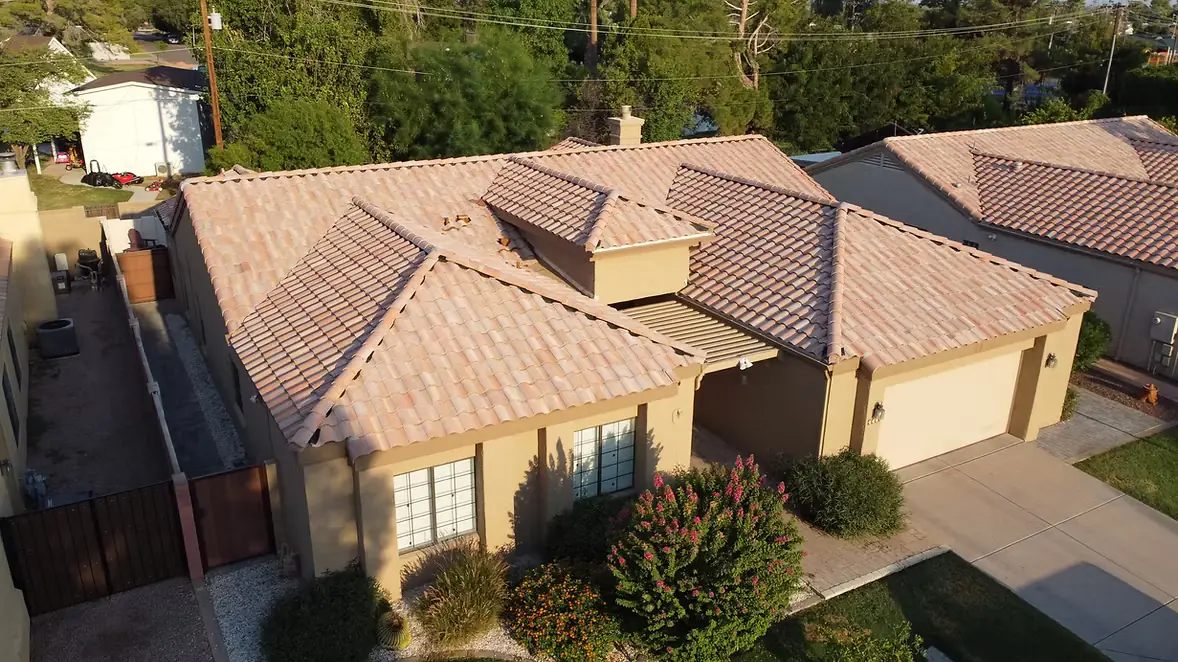
The phrase “best exterior painting for extreme heat” is frequently misconstrued as simply choosing a bright white paint color to bounce away sunlight. In professional architectural specification, color is only one variable in a complex chemical equation. True heat-resistant coating systems rely on specialized infrared-reflective (IR) pigments that manipulate the invisible spectrum of solar radiation, bouncing near-infrared wavelengths away from the building even when the topcoat is tinted in deep, dark architectural colors.
Common Misunderstandings and Oversimplification Risks
A widespread misconception in warm-climate property management is that standard elastomeric paints automatically solve thermal expansion issues. While elastomeric coatings offer high elasticity to bridge hairline cracks in stucco and concrete, standard acrylic elastomers can soften under extreme ambient heat, becoming tacky and accelerating dirt pickup. Accumulated dust and grime darken the surface, lowering its solar reflectance index (SRI) and turning the building into a thermal trap.
Another critical oversimplification involves neglecting the flash-cure phenomenon during application. Painting exterior walls under intense solar radiation causes water or solvents to evaporate from the paint film too rapidly. This premature skinning prevents proper polymer coalescence, leading to immediate blistering, mud-cracking, and compromised adhesion. True mastery of high-heat coatings requires coordinating application schedules with ambient diurnal windows rather than relying solely on product specifications.
Deep Contextual Background: The Evolution of Thermal-Resistant Coatings
The science of managing solar heat gain through exterior finishes has evolved from rudimentary vernacular architecture—such as traditional whitewashing in Mediterranean and desert climates—to high-tech aerospace-derived ceramic and fluoropolymer formulations. Historically, buildings in hot regions relied on lime-wash or sacrificial mineral coatings that reflected solar radiation effectively but required frequent reapplication due to low mechanical durability.
The mid-twentieth-century development of synthetic polymer emulsions introduced acrylic and vinyl resins that offered superior adhesion and longevity, but they readily absorbed near-infrared radiation, converting invisible solar energy into ambient heat. This limitation prompted intensive research into pigment physics during the late twentieth century, particularly driven by military applications requiring cool camouflage technologies.
Today’s advanced high-heat architectural coatings incorporate complex inorganic colored pigments (CICPs) and infrared-reflective ceramic microspheres. These innovations allow deep earth tones, grays, and terracotta shades to reflect significant portions of the solar spectrum without sacrificing aesthetic design flexibility. Modern thermal coatings are engineered engineering systems designed to simultaneously resist photo-oxidation, thermal shock, and heat transfer.
Conceptual Frameworks and Mental Models
Navigating high-temperature coating selection requires structured mental models that address solar physics and structural mechanics.
1. The Solar Reflectance Index (SRI) Framework
This model combines solar reflectance (the fraction of solar energy reflected by a surface) and thermal emittance (the ability of a surface to radiate absorbed heat) into a single comparative metric. High SRI values ensure that building facades reject solar loading efficiently rather than storing heat within the structural core.
2. The Diurnal Stress Loop
Arid and desert regions experience severe temperature differentials between blistering daylight peaks and cool nighttime lows. This framework models the fatigue inflicted on paint films as substrates undergo rapid dimensional expansion and contraction, dictating the need for high elongation and tensile recovery properties.
3. The Infrared Reflection vs. Conduction Model
This mental model distinguishes between surface color temperature and heat transfer. Traditional dark paints absorb near-infrared wavelengths and conduct heat directly into the wall assembly; IR-reflective coatings bounce those specific wavelengths away, drastically lowering substrate temperatures independent of visible hue.
Key Categories and Variations of Heat-Resistant Coatings
Selecting the correct coating class depends on the climate severity, structural substrate, and energy-efficiency goals of the facility. The table below outlines the primary coating categories utilized in high-heat environments.
| Coating Class | Primary Substrates | Key Advantages | Primary Limitations | Typical High-Heat Lifespan |
| IR-Reflective Acrylics | Stucco, CMU, Fiber Cement | Keeps dark colors cool, high UV resistance, flexible | Moderate resistance to heavy industrial chemicals | 8–12 years |
| Ceramic-Filled Thermal Insulating Paints | Metal Panels, Concrete, Wood | Incorporates vacuum spheres to resist heat transfer | Higher material cost, specialized application thickness required | 10–15 years |
| High-Build Acrylic Elastomerics | Concrete, Stucco, Tilt-Up | Bridges expansion cracks, highly waterproof | Softens under extreme heat if low-grade; dirt pickup | 7–10 years |
| Fluoropolymer (FEVE/PVDF) | Architectural Metal, Curtain Walls | Unmatched UV stability, decades of color and gloss retention | Premium material and labor cost | 20–30+ years |
| Silicone-Based Heat-Resistant Finishes | Industrial Steel, Exhaust Stacks | Withstands extreme industrial surface temperatures | Brittle on architectural building envelopes | 5–8 years |
| Mineral Silicate Paints | Historic Brick, Stone, Stucco | Forms chemical bond with substrate, zero film to blister | Limited color selection, requires porous masonry | 12–20 years |
Realistic Decision Logic for Coating Selection
When specifying finishes for high-heat commercial assets, facility engineers must balance thermal performance with local aesthetic guidelines. For example, a tilt-up concrete distribution center in an inland desert climate benefits greatly from high-build IR-reflective elastomeric coatings that lower interior cooling loads while accommodating thermal wall movement. Conversely, a historic brick commercial property requires mineral silicate or breathable potassium-waterglass coatings that permit internal heat and vapor escape without peeling under intense solar radiation.
Detailed Real-World Scenarios and Operational Contexts
High-temperature painting projects involve severe logistical hurdles, extreme labor microclimates, and complex operational timelines.
A : Desert-Region Distribution Warehouse
-
Constraints: Vast exterior concrete surface areas, intense daytime ambient heat, strict energy-efficiency mandates, and minimal operational downtime allowed for shipping bays.
-
Decision Points: Utilizing high-solids, IR-reflective white or light gray elastomeric coatings applied during cool early-morning shifts to prevent flash-curing.
-
Failure Modes: Applying coatings during peak afternoon heat, leading to rapid solvent evaporation, blistering, and immediate film delamination.
-
Second-Order Effects: Noticeable reduction in peak interior cooling loads, lowering HVAC electrical strain and extending mechanical equipment lifespans.
B : Sun-Drenched Commercial Office Park in Southwest US
-
Constraints: Stringent architectural color uniformity rules prohibiting stark white roofs or walls, intense ultraviolet exposure, and high thermal stress on metal window frames.
-
Decision Points: Specifying premium IR-reflective acrylic coatings formulated with complex inorganic pigments to achieve dark bronze and charcoal aesthetics without excessive heat absorption.
-
Failure Modes: Selecting low-cost dark acrylics lacking IR pigmentation, causing rapid substrate heat buildup, structural warping, and premature color chalking.
-
Second-Order Effects: Maintained corporate branding aesthetics combined with optimal thermal envelope performance and reduced tenant thermal discomfort near south-facing glass.
C : Industrial Processing Facility in Arid Industrial Zone
-
Constraints: High operating surface temperatures on metal cladding, aggressive chemical exposure, and continuous shift operations.
-
Decision Points: Deploying specialized ceramic-filled thermal barrier coatings over high-temperature epoxy primers to insulate structural elements and protect personnel safety.
-
Failure Modes: Failing to verify maximum surface temperature thresholds before application, resulting in solvent boiling inside wet paint films.
-
Second-Order Effects: Improved thermal comfort inside the industrial workspace and minimized thermal expansion stress on structural steel joints.
Planning, Cost, and Resource Dynamics
Budgeting for extreme-heat exterior painting requires evaluating specialized raw material formulations, strict labor scheduling constraints, and energy-saving return on investment calculations.
Direct and Indirect Cost Factors
-
Specialized Pigment Technology: IR-reflective colorants and ceramic microspheres add material cost per gallon compared to standard architectural tint bases.
-
Shift Labor Adjustments: Crew safety regulations in extreme heat environments frequently mandate early morning or nocturnal work schedules, altering labor productivity and premium wage structures.
-
Substrate Surface Preparation: Repairing thermal expansion cracks, repairing spalled concrete, and removing chalked residue before coating application.
-
Energy Savings Offsets: Factoring long-term reduction in commercial cooling energy expenditures into overall project payback models.
Budgetary Range Reference
| Project Scope / Building Type | Typical Cost Range (Per Sq. Ft.) | Primary Cost Drivers |
| Standard Commercial Stucco (IR Acrylic) | $2.00 – $4.00 | Crack repair, specialized IR color tinting |
| Industrial Concrete Warehouse (Elastomeric IR) | $2.50 – $5.50 | Large square footage scale, high-build application |
| Architectural Metal Cladding (Ceramic/Thermal) | $4.50 – $8.50 | Surface priming, thermal barrier formulation |
| High-Rise Commercial Tower (Fluoropolymer IR) | $8.00 – $15.00+ | Rigging, premium thermal-stable resin chemistry |
Tools, Strategies, and Support Systems
Executing a successful high-heat painting specification requires precise diagnostic instruments and strict environmental tracking mechanisms.
-
Infrared Thermometers and Thermal Imaging Cameras: Used to map facade surface temperatures and verify the performance differential of IR-reflective coatings post-application.
-
Digital Psychrometers: Essential for tracking relative humidity, ambient temperature, and surface dew points during volatile desert weather shifts.
-
Solar Reflectance Meters (SRometer): Handheld devices that measure total solar reflectance on-site to verify that applied coatings meet specified SRI standards.
-
High-Volume Airless Sprayers with Cool-Weather Tips: Engineered to handle high-viscosity elastomeric and ceramic-loaded formulations efficiently across massive commercial surfaces.
-
Moisture and Substrate Temperature Probes: Verify that concrete and masonry substrates are within safe thermal and moisture ranges before product application.
-
CSI MasterFormat Architectural Specifications: Standardized contract documentation ensuring product formulations meet strict solar reflectance and durability metrics.
-
Scaffolding and Shading Enclosures: Temporary sunshades used to protect wet coating films from direct solar baking during critical initial cure stages.
Risk Landscape and Failure Modes
Extreme heat environments present distinct failure pathways that can compromise coating integrity if technical parameters are ignored.
Taxonomy of High-Heat Failures
-
Flash Curing and Skinning: The top layer of the paint film dries too rapidly under intense solar radiation, trapping underlying moisture or solvent and causing instant blistering and wrinkling.
-
Thermal Stress Cracking: Rigid coatings failing to stretch as high-heat substrates expand, resulting in web-like micro-fissures across the facade.
-
Dirt Pick-Up Resistance (DPUR) Failure: Elastomeric coatings softening under extreme heat, capturing airborne dust and urban smog, which degrades solar reflectance over time.
-
Alkaline Burn and Efflorescence: High heat drawing moisture and soluble salts rapidly through porous concrete walls, breaking the bond of the paint film from underneath.
-
Chalking and Binder Destruction: Intense UV radiation shattering polymer chains, releasing pigment powders and rapidly eroding film thickness.
Governance, Maintenance, and Long-Term Adaptation
High-temperature exterior coatings require disciplined maintenance governance to preserve their solar-reflective properties and structural protection over time.
Monitoring and Review Cycles
Property asset managers should institute structured inspection protocols:
-
Pre-Summer Thermal Audits: Conducting infrared scans each spring to identify localized coating degradation, hot spots, and areas losing solar reflectance efficiency.
-
Post-Monsoon / Dust-Storm Inspections: Assessing building facades following severe regional weather events to check for abrasive sand scouring and particulate accumulation.
-
Mid-Life SRI Verification: Measuring solar reflectance ratings at year five to determine whether surface washing or maintenance topcoating is required to restore energy efficiency.
Layered Maintenance Checklist
-
[ ] Wash exterior walls every 12 to 24 months to remove dust, soot, and particulate buildup that degrades solar reflectance indexes.
-
[ ] Inspect all exterior caulking, expansion joints, and sealant beads annually; high heat degrades elastomeric sealants much faster than standard coatings.
-
[ ] Promptly repair localized mechanical impacts or scuffs using matching IR-reflective touch-up formulations to prevent localized UV degradation.
-
[ ] Monitor interior utility cooling loads continuously to detect early efficiency losses associated with coating degradation.
Measurement, Tracking, and Evaluation
Assessing the long-term performance of high-heat coating systems requires combining physical inspection data with operational energy analytics.
Leading vs. Lagging Indicators
-
Leading Indicators: Application temperature logs, batch SRI certification documents, dry film thickness measurements, and contractor quality control sign-offs. These metrics predict long-term system durability.
-
Lagging Indicators: Five-year building cooling energy expenditure trends, tenant thermal comfort complaints, frequency of localized touch-ups, and annual facade degradation ratings.
Documentation Examples for Asset Portfolios
-
Solar Reflectance Certification Archive: A digital registry storing manufacturer SRI test results, pigment composition data, and color formulation codes.
-
Thermal Performance Baseline Log: Records documenting interior HVAC electrical consumption before and after coating application to measure operational ROI.
-
Facade Maintenance Schedule: A structured ledger tracking annual washing dates, sealant replacements, and mid-life inspection reports.
Common Misconceptions and Oversimplifications
-
Myth 1: “Any white paint will protect a commercial building from extreme heat effectively.”
-
Correction: Standard white paints often lack near-infrared reflectance properties or proper titanium dioxide stabilization, leading to rapid chalking and heat absorption under heavy insolation.
-
-
Myth 2: “Dark colors can never be used on commercial buildings in hot climates.”
-
Correction: Modern complex inorganic pigments and IR-reflective technologies allow deep bronze, charcoal, and forest green hues to reflect significant solar radiation.
-
-
Myth 3: “Higher paint thickness always guarantees better heat insulation.”
-
Correction: Exceeding recommended dry film thickness limits on elastomeric or ceramic coatings causes sagging, solvent entrapment, and internal film failure.
-
-
Myth 4: “Painting in extreme heat is fine as long as you work quickly before the paint dries.”
-
Correction: Fast drying in high heat causes flash-curing, destroying polymer coalescence and leading to instant adhesion failure.
-
-
Myth 5: “Dust accumulation on exterior walls has no impact on energy efficiency.”
-
Correction: Dust and particulate buildup significantly reduce solar reflectance, raising surface temperatures and increasing interior cooling loads.
-
-
Myth 6: “Standard primer works universally under high-heat topcoats.”
-
Correction: High-heat substrates require specialized masonry conditioners or thermal-stable primers to handle substrate vapor pressure and extreme thermal expansion.
-
Ethical, Practical, and Environmental Considerations
Commercial real estate management in high-heat regions carries broad environmental responsibilities. Urban heat island effects, driven by sprawling asphalt and dark conventional building surfaces, raise ambient city temperatures significantly.
Specifying high-SRI and IR-reflective coatings plays a vital role in urban heat island mitigation. By reflecting solar radiation back into the atmosphere rather than absorbing and radiating it as thermal energy, commercial properties help lower microclimate temperatures and reduce city-wide energy grid strain during peak summer cooling seasons.
Furthermore, utilizing low-VOC, waterborne thermal coatings protects regional air quality in sun-drenched metropolitan centers prone to ozone formation and smog. Responsible asset stewardship balances strict financial performance and energy efficiency with positive contributions to urban ecology.
Conclusion: Synthesis and Long-Enduring Asset Strategy
The selection and application of protective finishes for buildings subjected to intense solar exposure represent a critical intersection of thermal physics, polymer chemistry, and real estate asset management. Rejecting the misconception that exterior painting is a purely aesthetic endeavor allows facility managers to transform building envelopes into high-performing thermal shields.
Achieving long-term asset security requires rigorous substrate preparation, adherence to precise environmental application windows, utilization of advanced IR-reflective and ceramic-loaded formulations, and disciplined maintenance governance. When these specialized elements are aligned, the resulting coating system protects the structural integrity of the property, reduces operational energy expenditures, and ensures sustained asset value through the harshest thermal environments.