Best Exterior Painting for Coastal Weather: The Definitive Guide
Coastal environments present one of the most aggressive architectural battlegrounds on earth. Buildings situated within marine zones are subjected to a compounding assault of airborne sodium chloride, high-velocity ultraviolet radiation, persistent moisture, and cyclical thermal shock. Under these conditions, standard architectural coatings fail rapidly, leading to substrate corrosion, delamination, and costly structural degradation. Property owners and facility managers searching for the best exterior painting for coastal weather must move past standard commercial paint options to evaluate coating systems engineered specifically to withstand relentless ionic and photochemical stress.
The primary driver of envelope failure near the ocean is not merely moisture, but salt crystallization. Airborne sea spray deposits microscopic chloride ions onto exterior surfaces. As moisture evaporates, these salts crystallize within the microscopic pores of concrete, stucco, and wood, exerting immense internal pressure that shatters the paint bond from within. Simultaneously, coastal ultraviolet radiation breaks down polymer chains in traditional acrylic paints, causing rapid chalking, embrittlement, and color fading.
Addressing this environment demands an uncompromising approach to coating selection, surface preparation, and moisture management. This guide delivers an exhaustive, technical analysis of coastal protective coatings, detailing the chemical formulations, failure mechanics, and strategic asset-management frameworks necessary to preserve marine real estate over the long term.
Understanding “best exterior painting for coastal weather”
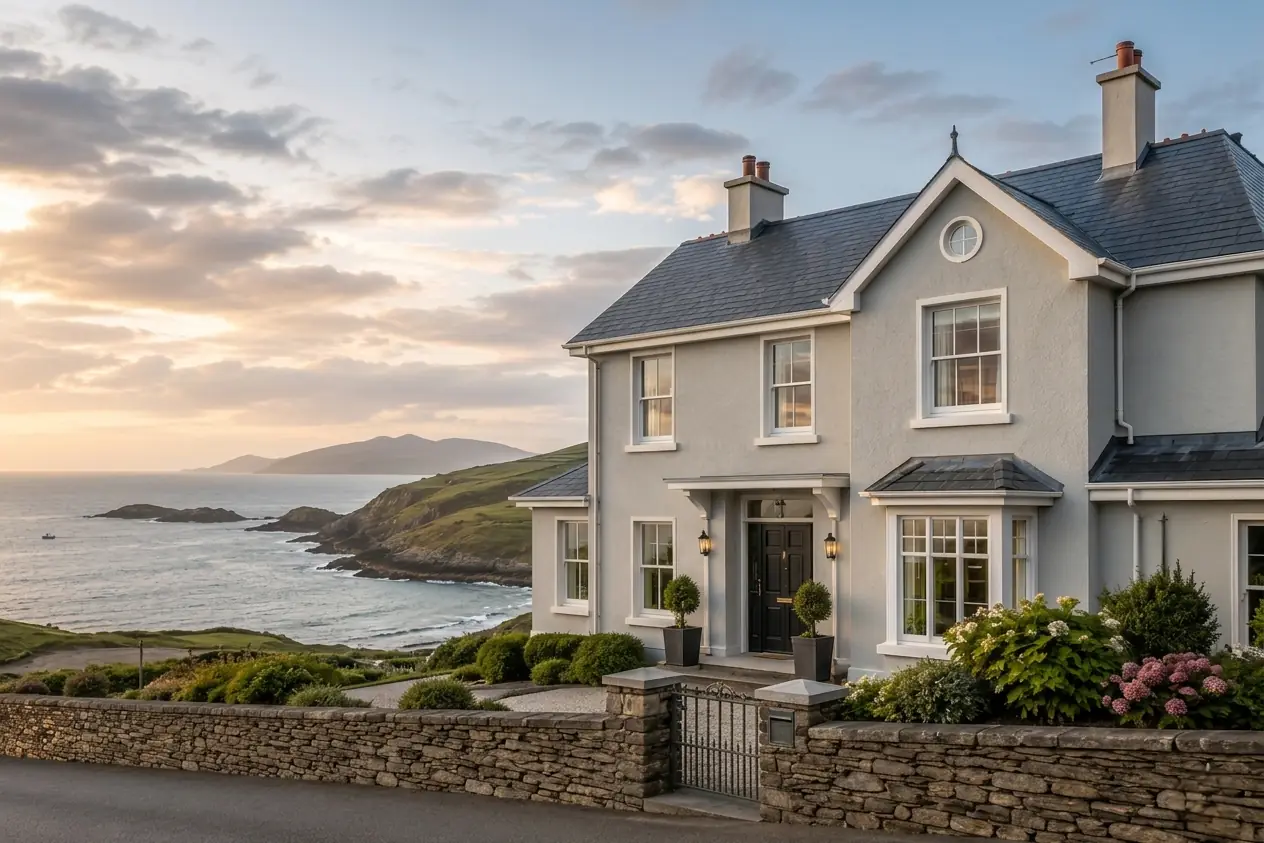
The phrase “best exterior painting for coastal weather” is frequently misunderstood as a specific brand or single product line that guarantees durability near the ocean. In professional engineering and architectural specification, no single coating fits every marine scenario. The optimal choice depends heavily on proximity to the surf line, local wind patterns, structural substrate materials, and atmospheric humidity levels.
Common Misunderstandings and Oversimplification Risks
A widespread misconception among property owners is that standard 100% acrylic exterior paints labeled as “weather-resistant” will survive salt-air exposure. While standard acrylics perform adequately in inland suburban climates, they lack the chemical density required to block chloride ion migration and intense coastal UV exposure. Within two to three years in a marine zone, standard resins undergo severe photo-oxidation, leading to cross-linking breakdown and total loss of elasticity.
Another critical oversimplification involves ignoring salt contamination during surface preparation. Applying a premium marine-grade coating over a substrate laden with invisible salt residue guarantees premature blistering and adhesion failure. Osmotic blistering occurs when trapped salts draw moisture through the coating film via osmosis, creating liquid-filled pockets that rupture the paint membrane. True mastery of coastal coating specifications requires treating surface decontamination as an absolute prerequisite to topcoat application.
Deep Contextual Background: The Evolution of Marine Coatings
The development of exterior finishes capable of surviving coastal climates is rooted deeply in maritime history. For centuries, shipbuilders experimented with natural tallow, tar, copper sheathing, and lead-based concoctions to protect wooden hulls from saltwater rot and marine organisms. These early protective methods laid the foundational principles later adopted by coastal civil architecture.
The mid-twentieth century introduced petrochemical revolutions that transformed industrial and architectural coatings. The invention of vinyl, epoxy, and polyurethane resins provided unprecedented barrier protection against corrosive marine environments. However, early solvent-borne systems suffered from high volatility and severe environmental drawbacks.
The late twentieth and early twenty-first centuries shifted the paradigm toward high-performance fluoropolymers—such as FEVE (Fluoroethylene Vinyl Ether) and PVDF (Polyvinylidene Fluoride)—alongside advanced waterborne acrylic epoxies. These modern systems offer exceptional bond strength and resistance to ultraviolet chalking, extending maintenance cycles on coastal high-rises from five years to well over two decades. Today’s marine coatings represent a sophisticated synthesis of polymer chemistry and metallurgy designed to neutralize the corrosive tendencies of salt-laden air.
Conceptual Frameworks and Mental Models
Navigating coastal architectural protection requires structured mental models that account for environmental hostility and material science constraints.
1. The Chloride Barrier Principle
This model dictates that a successful coastal coating must act as an impermeable shield against ionic diffusion. Because chloride ions accelerate the corrosion of embedded steel rebar in concrete and structural metal frames, the coating system must restrict both moisture vapor and salt penetration while maintaining appropriate breathability to prevent internal vapor entrapment.
2. The Photochemical Degradation Curve
Solar radiation intensity increases near large bodies of water due to reflective glare from sand and ocean surfaces. This framework models how UV photons break down polymer backbones over time. Selecting coatings with inorganic ceramic or metal-oxide pigments ensures that solar energy is reflected or absorbed without destroying the underlying binder chemistry.
3. The Thermal-Mechanical Stress Loop
Coastal structures experience drastic diurnal temperature shifts, expanding under intense daytime solar load and contracting rapidly during evening marine breezes. Coating systems must possess high elongation properties and low-temperature flexibility to bridge microscopic substrate cracks without fracturing.
Key Categories and Variations of Coastal Coatings
Selecting the correct coating class depends entirely on the material composition of the building envelope and its exact distance from the saltwater source. The table below outlines the primary coating categories utilized in marine environments.
| Coating Class | Primary Substrates | Key Advantages | Primary Limitations | Typical Marine Lifespan |
| Fluoropolymer (FEVE/PVDF) | Aluminum, Steel, Stucco | Exceptional UV stability, decades of gloss retention | Extremely high material and application cost | 20–30 years |
| Marine-Grade Epoxy Primers | Structural Steel, Ferrous Metals | Outstanding corrosion resistance and adhesion | Poor UV resistance; must be topcoated | N/A (Primer Only) |
| Elastomeric Acrylics | Concrete, Stucco, CMU | Excellent crack-bridging, high elongation, waterproof | Lower breathability, prone to dirt pickup | 8–12 years |
| Two-Part Polyurethanes | Metal Panels, Railings, Wood | High abrasion and chemical resistance | Complex mixing ratios, strict pot-life windows | 10–15 years |
| Silicone-Modified Acrylics | Wood, Fiber Cement, Masonry | Balanced breathability and weather resistance | Moderate lifespan compared to fluoropolymers | 6–10 years |
| Zinc-Rich Primers | Structural Steel, Marine Pilings | Sacrificial anodic protection against rust | Requires near-white metal blast cleaning | N/A (Primer Only) |
Realistic Decision Logic for Coating Selection
When specifying finishes for coastal properties, engineers must segment buildings into exposure zones. Structures within 1,000 feet of the surf line (often classified by building codes as severe marine environments) require multi-coat systems consisting of a zinc-rich or epoxy primer, an intermediate tie-coat, and a high-grade fluoropolymer or heavy-duty polyurethane topcoat. Structures located several miles inland within the coastal influence zone can often utilize high-build elastomeric acrylic systems, provided proper surface washing routines are maintained.
Detailed Real-World Scenarios and Operational Contexts
Coastal coating projects take place within dynamic, corrosive environments characterized by logistical hurdles and stringent environmental oversight.
A : Oceanfront Condominium High-Rise
-
Constraints: Severe wind loads, direct salt spray, restricted staging areas, and mandatory compliance with homeowner association operational schedules.
-
Decision Points: Deploying multi-component FEVE fluoropolymer topcoats over epoxy primers applied via suspended swing stages. Strict adherence to dew-point calculations is enforced to prevent moisture condensation between coats.
-
Failure Modes: Incomplete removal of surface salt crystals prior to priming, resulting in widespread osmotic blistering within eighteen months.
-
Second-Order Effects: Long-term preservation of structural concrete, preventing costly rebar remediation and maintaining high property asset valuation.
B : Coastal Wooden Commercial Resort
-
Constraints: High relative humidity, persistent fungal and mildew pressure, constant tourist foot traffic, and wood dimensional movement.
-
Decision Points: Utilizing breathable, silicone-modified penetrating stains or elastomeric acrylic finishes combined with commercial-grade mildewcides.
-
Failure Modes: Trapping moisture inside coastal pine or cedar siding by applying a non-breathable plasticized film coating, leading to rapid rot and delamination.
-
Second-Order Effects: Enhanced aesthetic continuity with regional architectural standards while reducing cyclical wood replacement expenses.
C : Portside Industrial Warehouse Facility
-
Constraints: Direct exposure to chemical pollutants, heavy salt fog, abrasive sand winds, and active freight operations.
-
Decision Points: High-pressure freshwater washing followed by a zinc-rich primer and a high-solids polyurethane topcoat system designed for industrial marine infrastructure.
-
Failure Modes: Omitting abrasive blast cleaning on rusted structural steel elements, causing underlying corrosion to break through the new paint film.
-
Second-Order Effects: Extended structural integrity for steel framing, minimizing catastrophic structural failure risks in high-wind marine storms.
Planning, Cost, and Resource Dynamics
Budgeting for marine-grade exterior painting requires recognizing that material performance is directly proportional to labor-intensive surface preparation and specialized formulation costs.
Direct and Indirect Cost Factors
-
Chloride Decontamination Treatments: Specialized chemical washes and high-volume fresh-water rinsing required to extract invisible salt ions from porous substrates prior to painting.
-
Rigging and Access Engineering: High-wind coastal zones require specialized stabilization and engineering for scaffolding, cranes, and swing stages, increasing labor overhead.
-
Environmental Containment: Strict local regulations governing wastewater runoff to prevent heavy metal and chemical contamination of marine ecosystems during power washing and abrasive blasting.
-
Operational Downtime: Managing customer access, parking restrictions, and protective enclosures around active commercial zones during multi-week coating applications.
Budgetary Range Reference
| Project Scope / Environment Type | Typical Cost Range (Per Sq. Ft.) | Primary Cost Drivers |
| Coastal Commercial Low-Rise (Acrylic Elastomeric) | $2.50 – $5.00 | Crack injection, extensive joint sealing, salt washing |
| Oceanfront Mid-Rise (Polyurethane Systems) | $5.00 – $9.50 | Swing stage rigging, multi-coat application |
| Severe Marine High-Rise (Fluoropolymer / FEVE) | $10.00 – $18.00+ | Premium resin chemistry, certified applicators, complex access |
| Portside Industrial Steel Structure (Epoxy/Urethane) | $4.00 – $8.00 | Abrasive sandblasting, containment systems |
Tools, Strategies, and Support Systems
Executing a successful coastal painting specification relies on specialized diagnostic instruments and strict quality assurance protocols.
-
Bresle Patch Test Kits: Laboratory-grade extraction kits used to measure soluble salt contamination levels on metal and concrete surfaces prior to coating application.
-
Digital Psychrometers: Essential for monitoring ambient temperature, relative humidity, and dew point in real time to ensure coating application occurs outside high-risk moisture condensation windows.
-
High-Pressure Water Blasting Units (5,000+ PSI): Equipped with specialized rotary heads and vacuum extraction systems to strip degraded films and flush surface salts simultaneously.
-
Dry Film Thickness (DFT) Magnetic Gauges: Precision instruments used by independent inspectors to verify that contractors achieve exact mil specifications for primers and topcoats.
-
Adhesion Pull-Off Testers: Pneumatic or mechanical devices that quantify the tensile bond strength of existing or newly applied coatings against the substrate.
-
CSI MasterFormat Specifications: Standardized architectural contract guidelines ensuring all product data, warranty terms, and preparation standards are legally enforceable.
-
Drone-Assisted Thermal Imaging: Deployed to detect subsurface moisture pockets and hidden delamination zones on inaccessible coastal building elevations.
Risk Landscape and Failure Modes
Marine environments punish technical oversights rapidly. Understanding the specific pathology of coastal coating failures is essential for risk mitigation.
Taxonomy of Coastal Failures
-
Osmotic Blistering: Fluid-filled blisters forming beneath the coating film due to trapped soluble salts drawing moisture through semi-permeable polymer membranes.
-
Chalking and Degradation: Rapid breakdown of the paint binder under intense UV exposure and salt-air oxidation, leaving a powdery residue and dulling surface finishes.
-
Corrosion Undercutting: Rust creeping beneath intact coating films originating from pinhole flaws or damaged edges where salt water breaches the protective barrier.
-
Alkali Attack: Degradation of paint binders on fresh concrete or stucco caused by unreacted alkaline salts reacting with moisture and migrating to the surface.
-
Thermal Shock Cracking: Rapid micro-fissuring of rigid paint films caused by sudden temperature drops when cold ocean fog rolls over sun-baked building facades.
Governance, Maintenance, and Long-Term Adaptation
Coastal real estate requires rigorous, cyclical maintenance frameworks to prevent minor surface flaws from turning into major structural failures.
Monitoring and Review Cycles
Property asset managers should establish structured inspection intervals:
-
Semi-Annual Post-Storm Surveys: Comprehensive visual and diagnostic reviews conducted after major tropical storm or winter gale seasons to identify impact damage and salt accumulation.
-
Annual Salt Residue Testing: Spot-checking high-exposure elevations with conductivity meters or chloride test kits to determine whether aggressive freshwater rinsing is required.
-
Year-Five Engineering Audit: Detailed coating thickness measurements, adhesion pull-off tests, and sealant evaluations to determine the viability of applying a maintenance topcoat.
Layered Maintenance Checklist
-
[ ] Conduct a comprehensive low-pressure freshwater rinse of all exterior elevations every 6 to 12 months to remove accumulated airborne salt deposits.
-
[ ] Inspect and re-seal all exterior caulking, expansion joints, and window perimeters annually; marine environments degrade sealants faster than standard climates.
-
[ ] Promptly touch up minor mechanical impacts, scratches, or fastener corrosion using specified epoxy repair kits before rust undercutting spreads.
-
[ ] Clean drainage scuppers, gutters, and architectural overhangs to prevent concentrated saltwater runoff from streaking facade surfaces.
Measurement, Tracking, and Evaluation
Evaluating the performance of coastal coating systems requires analyzing both operational data and physical material metrics over time.
Leading vs. Lagging Indicators
-
Leading Indicators: Daily application environmental logs, Bresle patch salt-test clearance certificates, contractor mil-thickness verification records, and material batch tracking numbers. These indicators predict long-term coating survivability.
-
Lagging Indicators: Frequency of touch-up work orders, tenant moisture complaints, visual degradation ratings, and total maintenance expenditure variances over a five-year window.
Documentation Examples for Asset Portfolios
-
Marine Environment Exposure Log: A systematic record documenting proximity to surf lines, prevailing wind vectors, and local salt-fog density indexes for each building facade.
-
Substrate Remediation Registry: Digital blueprints detailing areas subjected to concrete spall repair, rebar passivation, and salt decontamination prior to coating.
-
Manufacturer Warranty Compliance File: A centralized repository containing signed applicator certifications, humidity logs, and multi-year joint warranty documents.
Common Misconceptions and Oversimplifications
-
Myth 1: “Standard exterior paint with added mildewcide is sufficient for oceanfront properties.”
-
Correction: Mildewcides address biological growth but provide zero defense against chloride ion migration, salt crystallization, or aggressive marine UV degradation.
-
-
Myth 2: “If the paint looks glossy and clean, the underlying metal or concrete is secure.”
-
Correction: Chloride ions can penetrate microscopic pinholes in a glossy topcoat, causing hidden structural corrosion and rust expansion beneath an apparently sound exterior film.
-
-
Myth 3: “Power washing with pure water completely neutralizes coastal salt residue.”
-
Correction: Simple water rinsing often dissolves surface salts and drives them deeper into porous masonry pores unless specialized chemical surfactant washes or neutralizing agents are applied.
-
-
Myth 4: “All acrylic elastomeric coatings perform equally well against driving rain and wind.”
-
Correction: Permeability ratings, elongation percentages, and tensile strengths vary widely; low-grade elastomeric formulations trap vapor and fail rapidly under continuous marine moisture loads.
-
-
Myth 5: “Primer is unnecessary when repainting over an existing, intact exterior coating.”
-
Correction: Repainting in marine zones often requires specialized bonding primers to tie incompatible old resin layers to high-performance new topcoats.
-
-
Myth 6: “Coastal painting projects can proceed during any month as long as it does not rain.”
-
Correction: High relative humidity and rapid temperature drops near the water create invisible condensation layers on surfaces, destroying coating adhesion during the critical curing phase.
-
Ethical, Practical, and Environmental Considerations
Marine architectural preservation carries significant environmental responsibilities. Coastal structures exist within fragile ecosystems where building maintenance operations can directly impact surrounding marine habitats.
The containment and collection of wastewater during high-pressure washing and paint stripping are strictly regulated. Chemical paint strippers, heavy metal residues from older lead-based coatings, and concentrated salt runoff must be captured and hauled off-site rather than allowed to drain directly into coastal storm drains or ocean waters.
Furthermore, specifying low-VOC or zero-VOC advanced waterborne coatings and durable fluoropolymers minimizes the release of hazardous air pollutants into sensitive coastal airsheds while drastically reducing the frequency of total repainting cycles. Sustainable property management balances aggressive asset protection with conscientious stewardship of the marine environment.
Conclusion: Synthesis and Long-Enduring Asset Strategy
Preserving commercial and residential real estate in marine environments demands a rigorous, science-based approach to exterior finishes. By rejecting the notion that coastal painting is a simple cosmetic update, facility managers and property owners can successfully safeguard building envelopes against the relentless destructive power of salt, sun, and moisture.
Achieving long-term asset security requires meticulous surface preparation, uncompromising chloride decontamination, precise environmental monitoring during application, and disciplined ongoing maintenance governance. When these specialized protocols are strictly followed, the resulting exterior coating system transforms a vulnerable coastal facade into a resilient, high-performing architectural shield capable of withstanding the harshest marine elements for decades.