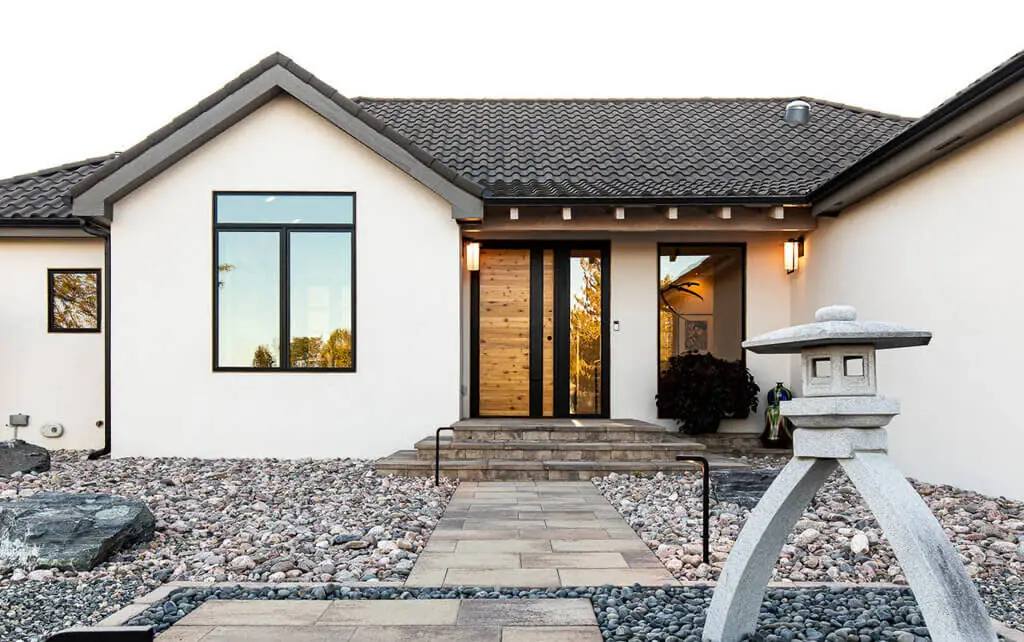
Best Exterior Painting for Stucco Surfaces: The Definitive Guide
Stucco surfaces present a unique architectural interface. They feature extreme alkalinity, high porosity, and structural rigidity. Made from portland cement, sand, water, and lime, stucco acts as a breathable skin. It absorbs ambient moisture and releases internal water vapor continuously. When you evaluate the best exterior painting for stucco surfaces, you face a technical balance. You must weigh weatherproofing against vapor transmission. Coating a cement wall requires chemical compatibility, elastomeric flexibility, and smart substrate mechanics.
Unlike smooth metal, stucco features a deeply textured profile. It contains microscopic capillaries and shrinkage cracks from the curing phase. These pathways allow moisture to migrate deep into the wall if your finish coating fails. The coating must seal hairline fractures while retaining vapor permeability. If you pick the wrong coating, it will trap moisture behind an impermeable plastic film. This leads to hydrostatic pressure, bubbling, and eventual delamination of the stucco coats.
Protecting stucco facades requires strict adherence to surface chemistry and environmental exposure profiling. This guide explores stucco exterior coatings in depth. It analyzes the evolution of cement finishes, material categories, financial planning metrics, and risk management protocols to preserve stucco structures over time.
Understanding “best exterior painting for stucco surfaces”

Many people treat the phrase “best exterior painting for stucco surfaces” as a simple product label or single recommendation. In professional architecture, this view is flawed. Stucco performance varies. It depends on whether your substrate is traditional three-coat stucco, a thin acrylic finish over Exterior Insulation and Finish Systems (EIFS), or autoclaved aerated concrete (AAC) blocks. Your optimal coating specification must adapt directly to the cement chemistry and structural movement profile of the wall.
Common Misunderstandings and Oversimplification Risks
A common property management myth is that thick elastomeric paint provides total protection against moisture. While high-build elastomeric coatings stretch over dynamic hairline cracks, applying them to a high-moisture stucco wall stops internal vapor from escaping. When solar radiation hits a damp wall, trapped vapor turns to steam. It expands and pushes large, blistered sheets of paint away from the cement substrate.
Another critical risk involves ignoring the high alkalinity of curing stucco. Fresh stucco maintains a high pH level, often between 10 and 13. If you apply standard non-alkali-resistant paints directly to fresh cement, free alkalis will saponify the paint binders. This breaks down the coating chemistry, resulting in rapid bleaching, chalking, and total adhesion failure. True mastery of stucco finishing requires verifying substrate age, pH levels, and moisture content before you specify a topcoat.
Deep Contextual Background: The Evolution of Stucco Finishes
The use of cementitious wall finishes dates back thousands of years. It evolved from ancient lime-and-ash mixtures in classical architecture to the standardized portland cement plasters seen in modern construction. Historically, exterior stucco was left unpainted or treated with breathable mineral washes and lime-based paints. These older finishes carbonated over time, bonding permanently with the calcium hydroxide in the cement matrix.
The mid-twentieth-century construction boom introduced synthetic polymer emulsions. The industry shifted toward modern acrylic and vinyl-acrylic latex paints. These new formulas offered better color retention and water resistance than old mineral washes. However, early synthetic paints lacked the breathability required by dynamic cement substrates. Chemical manufacturers soon developed high-performance elastomeric acrylics and vapor-permeable masonry coatings.
Today, advanced stucco coating technology focuses on balancing high tensile elongation with microscopic porosity control. Modern architectural formulas use 100% acrylic resins combined with breathable additives. These additives repel liquid driving rain while allowing interior water vapor to escape freely. This evolution turned stucco coatings from simple decorative skins into active weather-barrier components of the building envelope.
Conceptual Frameworks and Mental Models
Navigating stucco protection requires structured mental models. These models address cement physics, vapor pressure, and substrate mechanics.
1. The Vapor Permeability vs. Waterproofing Balance
This model views the stucco wall as a semi-permeable membrane. Your coating system must maintain a perm rating high enough to let internal moisture vapor escape. At the same time, it must stop liquid water droplets from penetrating the cement matrix during severe rainstorms.
2. The Substrate Movement and Crack-Bridging Model
Stucco naturally undergoes thermal expansion, contraction, and structural settling. This creates hairline cracks over time. Because of this, your coating must possess sufficient elongation and tensile recovery. It needs to stretch over moving cracks without tearing or losing adhesion.
3. The Alkali-Binder Compatibility Framework
Cement substrates are inherently alkaline. Therefore, your primers and topcoats must feature saponification-resistant chemical bonds. Without an alkali-resistant primer, chemical reactions between cement salts and paint resins will destroy the coating film from the bottom up.
Key Categories and Variations of Stucco Coatings
Selecting the correct coating class depends on your stucco condition, regional climate exposure, and dynamic cracking. The table below outlines the primary coating categories used for cementitious stucco facades.
| Coating Class | Primary Substrates | Key Advantages | Primary Limitations | Typical Stucco Lifespan |
| 100% Acrylic Masonry Paint | Stable Stucco, EIFS, CMU | Excellent breathability, high UV resistance, color stability | Does not bridge active or wide structural cracks | 7–10 years |
| Elastomeric Acrylic Coatings | Cracked Stucco, Concrete | Bridges hairline cracks up to 1/16 inch, waterproof | Lower breathability, prone to dirt pickup if low grade | 10–15 years |
| Mineral Silicate / Potassium Waterglass | Historic Stucco, Lime Plaster | Forms permanent chemical bond, zero film to blister | Limited color flexibility, requires porous masonry | 12–20 years |
| Acrylic-Silicone Hybrid Coatings | Coastal and Humid Stucco | Combines water repellency with vapor permeability | Moderate cost premium, strict application windows | 8–12 years |
| High-Build Masonry Smooth Coatings | Textured Stucco, Tilt-Up | Fills minor pinholes and imperfections uniformly | Requires back-rolling to ensure proper adhesion | 6–9 years |
| Breathable Elastomeric Hybrids | Dynamic Stucco Substrates | Higher perm rating than traditional elastomers, flexible | Requires exact dry film thickness control | 10–14 years |
Realistic Decision Logic for Coating Selection
When you specify finishes for stucco buildings, you must weigh structural crack density against environmental moisture loads. For instance, a commercial stucco building in an arid climate with widespread shrinkage cracking benefits from a high-build elastomeric acrylic coating. Conversely, a coastal facility with high humidity requires a highly breathable 100% acrylic masonry paint or an acrylic-silicone hybrid to prevent moisture entrapment and osmotic blistering.
Detailed Real-World Scenarios and Operational Contexts
Stucco painting projects happen across diverse architectural settings. Each setting brings unique environmental constraints and execution challenges.
A : Mediterranean-Style Commercial Office Complex
-
Constraints: Extensive decorative moldings, deep texture profiles, hot arid daytime temperatures, and strict corporate aesthetic standards.
-
Decision Points: Utilizing high-solids 100% acrylic masonry paint applied via airless spray and heavy back-rolling to ensure uniform film thickness across deep stucco valleys.
-
Failure Modes: Spraying without back-rolling, leaving dry micro-voids and pinholes in textured stucco valleys where driving rain can infiltrate the substrate.
-
Second-Order Effects: Preserved architectural detail, long-term color uniformity, and minimized risk of moisture penetration through unsealed surface pores.
B : Multi-Family Residential Stucco Building with Dynamic Cracking
-
Constraints: Structural settling cracks across multiple elevations, tenant occupancy during daytime hours, and regional freeze-thaw cycles.
-
Decision Points: Comprehensive routing and elastomeric patching of all active cracks, application of an alkali-resistant masonry primer, followed by a high-build elastomeric acrylic topcoat.
-
Failure Modes: Painting directly over unpatched structural cracks without sealing them first, allowing water to bypass the elastomeric film and freeze inside the wall cavity.
-
Second-Order Effects: Enhanced crack-bridging performance, improved waterproofing against wind-driven rain, and extended maintenance intervals between repaints.
C : Coastal Stucco Resort Facility
-
Constraints: Salt spray exposure, high relative humidity, persistent alkalinity, and risk of efflorescence salt deposits pushing through the finish.
-
Decision Points: Washing with specialized chemical masonry cleaners, applying a solvent-borne or high-performance alkali-resistant primer, and finishing with an acrylic-silicone breathable coating.
-
Failure Modes: Omitting the alkali-resistant primer stage, allowing residual free lime salts to cause chalking, efflorescence blooming, and paint delamination.
-
Second-Order Effects: Long-term resistance to salt-induced degradation, preventing structural spalling and maintaining clean aesthetic finishes.
Planning, Cost, and Resource Dynamics
Budgeting for stucco exterior painting requires accounting for extensive surface preparation, specialized elastomeric material costs, and crack remediation labor.
Direct and Indirect Cost Factors
-
Crack Routing and Patching Labor: Manual labor required to chase, clean, and patch dynamic structural cracks using elastomeric patching compounds or matching stucco mix.
-
Surface Cleaning and Pressure Washing: Removing chalk, dirt, atmospheric pollutants, and efflorescence salt deposits without damaging fragile stucco textures.
-
Alkali-Resistant Primers: Specialized sealing primers required to neutralize free lime and bond porous cement surfaces before topcoat application.
-
Material Film Thickness Requirements: Elastomeric systems require precise dry film thickness (DFT) verification to achieve proper elongation and crack-bridging performance.
Budgetary Range Reference
-
Standard Stucco Repaint (Acrylic Masonry Paint): $1.75 – $3.50 per square foot. Includes power washing, spot patching, priming, and two topcoats.
-
Elastomeric Stucco Coating Project: $3.00 – $6.50 per square foot. Includes extensive crack repair, high-build elastomeric application, and rigorous mil-thickness checks.
-
Historic Lime Stucco Restoration (Mineral Silicate): $5.00 – $9.00+ per square foot. Includes specialized cleaning, breathable mineral priming, and multi-coat silicate finishes.
-
Commercial EIFS Stucco Maintenance: $2.50 – $5.00 per square foot. Requires specialized flexible acrylic coatings compatible with foam-backed insulation boards.
Tools, Strategies, and Support Systems
Executing a durable stucco finishing project relies on specialized diagnostic instruments and mechanical application tools.
-
Substrate Moisture Meters: Essential for verifying that cement stucco moisture content is below 15% before primer application to prevent internal vapor blistering.
-
pH Testing Kits or Pens: Used to measure the alkalinity of concrete and stucco surfaces, ensuring the substrate has cured sufficiently or been neutralized prior to priming.
-
Wet Film Thickness (WFT) Gauges: Precision combs used by quality control inspectors to verify that elastomeric coatings are applied at correct wet mil thicknesses to guarantee crack-bridging capability.
-
Masonry Crack Chasing Tools: Specialized grinders and hand tools used to widen hairline and structural cracks for proper elastomeric sealant or patching compound insertion.
-
High-Pressure Water Blasting Systems (3,000 PSI): Equipped with surface cleaner attachments to strip chalking paint and organic pollutants from deep stucco textures without gouging the cement.
-
CSI MasterFormat Specifications: Standardized architectural contract guidelines ensuring stucco preparation standards, primer types, and warranty metrics are legally enforced.
-
Airless Sprayers with Heavy-Duty Tip Extensions: Designed to handle high-viscosity elastomeric and masonry coatings across massive commercial building facades.
Risk Landscape and Failure Modes
Stucco surfaces present distinct chemical and physical failure modes that require careful risk management during specification and execution.
Taxonomy of Stucco Coating Failures
-
Osmotic Blistering: Liquid-filled blisters forming beneath thick elastomeric films when trapped moisture and soluble salts migrate outward under solar heat.
-
Saponification Breakdown: Chemical destruction of paint binders caused by unreacted alkaline lime salts reacting with non-alkali-resistant oil or acrylic formulations.
-
Efflorescence Staining: Crystalline salt deposits pushed through porous stucco by moving moisture, breaking the paint bond and leaving white powdery blotches on the surface.
-
Inter-Coat Delamination: The topcoat separating from the primer or substrate due to inadequate surface washing, chalk residue, or application over a dusty cement wall.
-
Bridge Cracking (Mud-Cracking): Elastomeric or high-build coatings cracking in a web-like pattern when applied too thickly or cured too rapidly under extreme direct sunlight.
Governance, Maintenance, and Long-Term Adaptation
Stucco surfaces require structured, ongoing maintenance governance to intercept degradation before moisture breaches the cement matrix.
Monitoring and Review Cycles
Property asset managers should establish formal inspection schedules:
-
Annual Post-Rainstorm Inspections: Checking all wall elevations for water staining, new hairline cracking, and joint sealant separation around windows and penetrations.
-
Efflorescence and Salt Audits: Inspecting lower wall courses near grade levels for white salt deposits indicating rising dampness or inadequate sub-slab waterproofing.
-
Year-Five Coating Integrity Audit: Evaluating film elongation, crack-bridging flexibility, and chalking rates to determine whether a maintenance cleaning or elastomeric touch-up is required.
Layered Maintenance Checklist
-
[ ] Wash stucco facades gently every 2 to 3 years using low-pressure rinsing and mild detergent to remove atmospheric pollutants and organic mildew spores.
-
[ ] Inspect and renew all exterior window perimeters, expansion joints, and door caulking seals annually; sealant failures account for the majority of stucco water leaks.
-
[ ] Promptly route, seal, and patch any new structural settling cracks with elastomeric compounds before seasonal rains can penetrate the substrate.
-
[ ] Maintain clear clearance between landscaping mulch, soil, and lower stucco walls to prevent constant moisture absorption from ground contact.
Measurement, Tracking, and Evaluation
Assessing the long-term success of stucco finishing projects requires tracking both physical application metrics and ongoing environmental performance.
Leading vs. Lagging Indicators
-
Leading Indicators: Substrate moisture meter logs, concrete pH verification tests, dry film thickness (DFT) measurements, and batch compatibility sign-offs.
-
Lagging Indicators: Frequency of localized crack patch work orders, visual rating of chalking and dirt pickup over a five-year period, and absence of moisture-related stucco spalling.
Documentation Examples for Asset Portfolios
-
Substrate Condition and Crack Mapping Log: Digital blueprints recording structural crack locations, repair methods, and primer types applied across each building elevation.
-
Moisture and Environmental Application Log: Daily records capturing ambient temperature, relative humidity, and stucco moisture percentages during project execution.
-
Manufacturer Warranty and Product Ledger: Centralized storage of paint data sheets, batch numbers, and signed contractor warranty documentation for future maintenance reference.
Common Misconceptions and Oversimplifications
-
Myth 1: “Any standard exterior paint can be applied directly to concrete and stucco surfaces.”
-
Correction: Standard paints lack alkali resistance. They will saponify and fail rapidly when exposed to the high alkalinity of fresh cementitious stucco.
-
-
Myth 2: “Elastomeric paint is always the best choice for all stucco buildings.”
-
Correction: Elastomeric coatings have lower vapor permeability. Applying them to damp or high-moisture stucco walls can trap water vapor and cause massive blistering.
-
-
Myth 3: “Pressure washing at maximum pressure is the best way to prep dirty stucco.”
-
Correction: Excessive water pressure can erode the cement matrix, loosen aggregate, and force water deep into wall cavities behind the stucco.
-
-
Myth 4: “Hairline cracks in stucco do not need to be patched before painting.”
-
Correction: Even minor cracks widen over time due to thermal movement. Painting over them without sealing allows water intrusion and progressive cracking.
-
-
Myth 5: “Primer is optional if the stucco looks clean and dry.”
-
Correction: Alkali-resistant primers are mandatory on cement substrates to lock down surface dust, neutralize alkalinity, and ensure permanent adhesion.
-
-
Myth 6: “Stucco is completely waterproof on its own and only needs paint for color.”
-
Correction: Stucco is porous and absorbs water like a sponge. Exterior coatings act as essential moisture barriers required to keep water out of the wall assembly.
-
Ethical, Practical, and Environmental Considerations
Stewardship of cementitious architectural assets involves balancing aesthetic preservation with environmental responsibility. Selecting coating systems for stucco requires careful consideration of volatile organic compounds (VOCs) and chemical safety.
The transition from high-solvent masonry sealers to advanced waterborne, ultra-low-VOC acrylic and silicate coatings significantly reduces hazardous air pollutants in urban and residential neighborhoods. Furthermore, proper containment and collection of wastewater during surface preparation prevents cement slurry and chemical runoff from contaminating local stormwater drainage systems. Responsible property management ensures that maintaining stucco facades protects both structural longevity and regional environmental health.
Conclusion: Synthesis and Long-Enduring Asset Strategy
The selection and application of protective finishes for stucco surfaces represent a sophisticated synthesis of cement chemistry, moisture physics, and asset preservation. Rejecting the notion that painting stucco is a simple cosmetic task allows facility managers and property owners to protect structural cement from the inevitable stresses of thermal movement and environmental moisture.
Achieving long-term asset security requires rigorous moisture testing, alkali-resistant priming, thorough crack remediation, and the selection of breathable, flexible coating architectures. When these specialized protocols are strictly followed, the resulting finish safeguards the structural integrity and timeless aesthetic of stucco architectural assets for years to come.