Best Exterior Painting for Aluminum Siding: The Definitive Guide
Aluminum siding introduced a lightweight, non-combustible alternative to traditional wood cladding mid-way through the twentieth century. While metal does not rot or support biological growth, it presents distinct architectural challenges. Aluminum reacts sharply to ambient temperature swings through thermal expansion and contraction. When exterior coatings lack sufficient flexibility or chemical adhesion, the constant microscopic shifting of the metal panels tears the paint film apart.
Specifying finishes for metal surfaces requires managing low porosity and high thermal conductivity. Unlike wood or cementitious stucco, aluminum lacks microscopic pores to anchor a mechanical bond. Paint relies entirely on chemical adhesion and proper surface preparation to remain attached to the factory finish or bare metal. Identifying the best exterior painting for aluminum siding demands a precise understanding of etching primers, acrylic resin flexibility, and galvanic corrosion prevention.
Environmental exposure further accelerates coating degradation on metal panels. Ultraviolet radiation bakes chalking residues into aging factory coatings, while wind-driven rain and urban pollutants test the integrity of exterior topcoats. Navigating these complexities requires rigorous adherence to coating chemistry and application protocols designed to withstand decades of thermal stress.
Understanding “best exterior painting for aluminum siding”
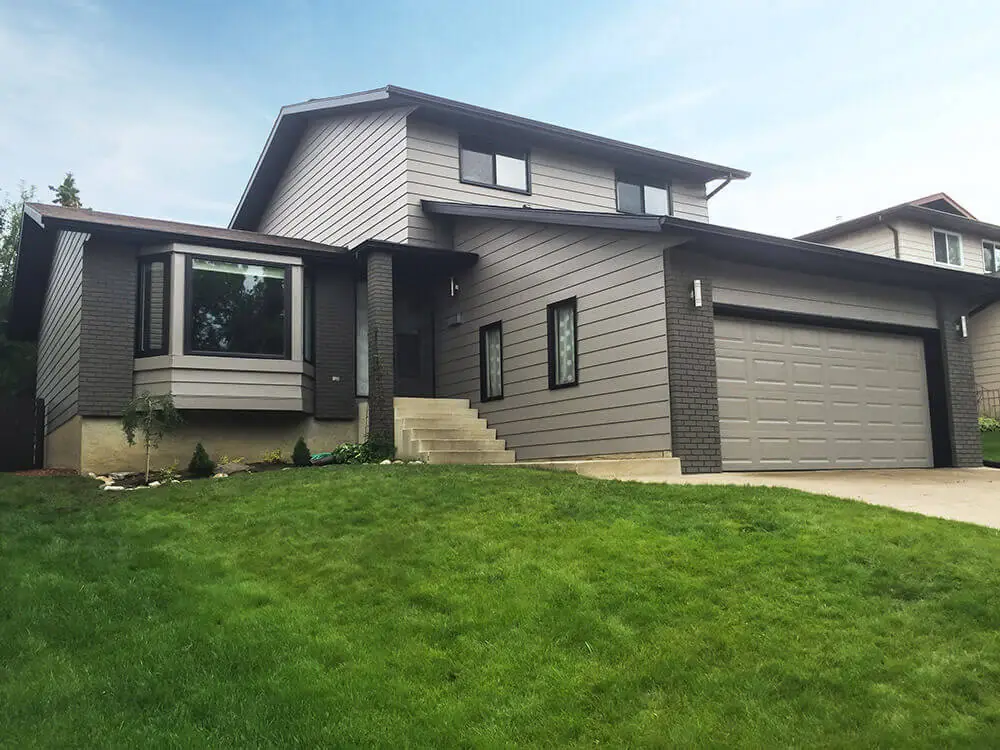
The phrase “best exterior painting for aluminum siding” is frequently misapplied as a generic acrylic paint recommendation. In professional coating specifications, aluminum requires a multi-tier system consisting of a specialized bonding primer and a weather-resistant acrylic topcoat. Because aluminum naturally forms a microscopic aluminum oxide layer on its surface, standard paints fail to adhere unless this layer is chemically conditioned or paired with an etching primer.
Common Misunderstandings and Oversimplification Risks
A common mistake in residential property maintenance involves applying standard exterior latex paint directly over weathered aluminum siding without priming. While the paint may look uniform initially, the lack of a dedicated bonding agent means normal thermal expansion will cause the coating to shear off in large sheets within a few seasonal cycles.
Another critical oversimplification is ignoring the chalking stage of old factory coatings. Aging aluminum siding often develops a powdery layer of oxidized paint resin. If a contractor applies new paint directly over this chalk without thorough cleaning and surfactant washing, the new coating bonds to the loose dust rather than the metal substrate, leading to immediate delamination.
Deep Contextual Background: The Evolution of Metal Finishes
The use of architectural aluminum siding gained massive momentum following the Second World War, driven by surplus manufacturing capacity and a demand for low-maintenance housing materials. Early aluminum panels were finished with factory-applied baked enamel or alkyd coatings that offered smooth aesthetics but degraded under intense ultraviolet radiation, leading to widespread chalking and fading after fifteen to twenty years.
As synthetic polymer chemistry advanced during the late twentieth century, manufacturers transitioned to fluoropolymer and high-grade acrylic resin coatings for factory applications. For field-applied restoration painting, the industry moved away from brittle oil-based paints toward 100% acrylic latex formulations. These modern water-based resins combine high ultraviolet stability with the necessary flexibility to move alongside expanding and contracting metal panels.
Contemporary coating technology focuses on self-crosslinking acrylic emulsions and specialized urethane-modified formulas. These innovations allow field-applied finishes to rival the durability of factory coatings, extending the operational lifecycle of aging metal siding assemblies without requiring complete material replacement.
Conceptual Frameworks and Mental Models
Coating metallic substrates requires structured mental models that account for thermal physics and chemical bonding.
1. The Thermal Expansion and Shear Model
Aluminum panels expand significantly when exposed to direct solar heat and contract during nighttime cooling. This model dictates that field-applied paint must possess high elasticity to absorb dimensional shear without fracturing or debonding from the metal surface.
2. The Surface Energy and Adhesion Interface
Because aluminum has smooth, non-porous surfaces with low natural surface energy, liquid paints tend to bead up rather than wet out evenly. This mental model requires mechanical abrading or chemical etching to create microscopic surface profiles that allow primer resins to lock into the metal.
3. The Galvanic Corrosion and Oxidation Shield
Metal panels are vulnerable to corrosion where bare aluminum meets dissimilar fasteners or urban pollutants. This framework views the exterior coating system as an impermeable barrier that blocks moisture and oxygen from initiating oxidation at the substrate interface.
Key Categories and Variations of Metal Coatings
Selecting the correct coating class depends on the condition of the existing factory finish, regional climate exposure, and desired aesthetic sheen. The table below outlines the primary coating categories utilized for aluminum siding restoration.
| Coating Class | Primary Substrates | Key Advantages | Primary Limitations | Typical Metal Lifespan |
| 100% Acrylic Exterior Latex | Factory-Finished Aluminum | High flexibility, excellent UV resistance, water cleanup | Requires specialized primer on bare metal | 10–15 years |
| Urethane-Modified Acrylics | High-Wear Metal Panels | Superior hardness, scratch resistance, rich satin sheen | Higher cost per gallon, stricter dry times | 12–18 years |
| Direct-to-Metal (DTM) Acrylics | Stripped or Bare Aluminum | Combines primer and topcoat properties, good adhesion | Performance varies on chalky factory surfaces | 8–12 years |
| Waterborne Alkyd-Acrylic Hybrids | Aged Metal Siding | Deep wetting capability, smooth leveling | Slower curing timeline in high humidity | 7–10 years |
| Fluoropolymer Field Coatings | Architectural Metal Cladding | Unmatched color retention, decades of weather durability | Extreme material cost, complex application requirements | 20–25+ years |
| Epoxy Primers (Undercoats) | Raw Aluminum Substrates | Exceptional corrosion inhibition and metal bonding | Requires opaque topcoat for UV protection | 15+ years (Sub-layer) |
Realistic Decision Logic for Coating Selection
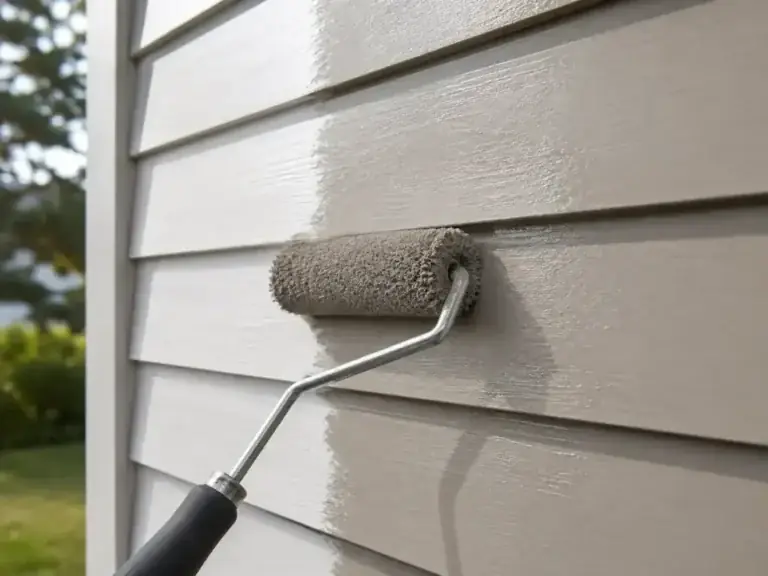
When specifying finishes for aluminum siding, asset managers must evaluate whether the original factory finish is intact or severely oxidized. For example, a home with sound, non-chalking factory enamel benefits from a thorough power wash followed by two coats of premium 100% acrylic satin paint. Conversely, if bare aluminum is exposed due to severe weathering or scraping, an initial coat of epoxy or etching primer is mandatory before applying the acrylic topcoat.
Detailed Real-World Scenarios and Operational Contexts
Painting aluminum siding involves distinct environmental constraints, job-site logistics, and structural considerations.
A : Mid-Century Suburban Residential Development
-
Constraints: Heavily chalked original factory paint, strict homeowner association color guidelines, and tight project timelines.
-
Decision Points: Utilizing heavy surfactant power washing to strip chalk residue, spot-priming exposed aluminum areas with a bonding primer, and spraying two coats of 100% acrylic satin finish.
-
Failure Modes: Skipping the surfactant wash, causing the new acrylic paint to bond to loose chalk powder and peel away within a single winter.
-
Second-Order Effects: Restored curb appeal, protected metal substrate against oxidation, and significantly extended the lifespan of the siding material.
B : Coastal Commercial Metal Cladding Facility
-
Constraints: High salt spray exposure, aggressive humidity, wind-driven moisture, and risk of galvanic corrosion around steel fastener heads.
-
Decision Points: Specifying rust-inhibitive epoxy primers over all exposed fastener areas, followed by high-solids urethane-modified acrylic topcoats.
-
Failure Modes: Failing to spot-prime steel fasteners with rust-inhibitive primers, allowing rust bleed to stain the final light-colored acrylic finish.
-
Second-Order Effects: Enhanced resistance to marine salt corrosion, reduced structural maintenance costs, and prolonged facade durability.
C : Historical Preservation Aluminum Siding Project
-
Constraints: Dented panels, legacy lead-based paint considerations on older trim, and strict requirements to maintain original panel profile textures.
-
Decision Points: Careful hand-cleaning, gentle feathering of damaged edges, application of a specialized multi-substrate bonding primer, and low-pressure spray application.
-
Failure Modes: Using high-pressure abrasive blasting that warps thin aluminum panels and destroys the flat geometric lines of the siding.
-
Second-Order Effects: Maintained architectural integrity, protected historical assets, and achieved a uniform, factory-like finish without panel replacement.
Planning, Cost, and Resource Dynamics
Budgeting for aluminum siding painting requires balancing thorough surface cleaning labor against material specifications and equipment setup.
Direct and Indirect Cost Factors
-
Surfactant Power Washing and Prep: Labor hours dedicated to scrubbing chalk residue, rinsing salt deposits, and scraping loose flakes.
-
Specialized Primers: Cost of etching primers or bonding undercoats required to achieve permanent adhesion on non-porous metal.
-
Application Methodologies: Comparing the labor efficiency of airless spray application with the precision of back-rolling techniques.
-
Scaffolding and Rigging: Setup costs for multi-story residential or commercial structures featuring metal cladding.
Budgetary Range Reference
-
Standard Residential Aluminum Repaint: $2.00 – $4.00 per square foot. Includes power washing, spot priming, and two 100% acrylic topcoats.
-
Commercial Metal Cladding Restoration: $3.00 – $6.00 per square foot. Includes extensive surface preparation, rust treatment, and DTM coatings.
-
High-End Architectural Fluoropolymer Coating: $7.00 – $12.00+ per square foot. Includes rigging, industrial primers, and premium multi-layer finishes.
-
Minor Siding Repair and Caulking Prep: $1.00 – $2.50 per linear foot. Covers replacement of damaged panels and sealing of trim joints.
Tools, Strategies, and Support Systems
Executing a durable metal finishing project requires specialized cleaning agents, diagnostic gear, and application machinery.
-
Surfactant-Enhanced Pressure Washers: Designed to break down and lift oxidized paint chalk without damaging thin aluminum panels.
-
Adhesion Testing Cross-Hatch Cutters: Field instruments used by inspectors to verify that old factory finishes are stable enough to support a new topcoat.
-
Wet Film Thickness (WFT) Gauges: Precision combs ensuring contractors apply coatings at recommended mil thicknesses for optimal flexibility.
-
HVLP and Airless Sprayers: High-volume paint sprayers equipped with fine-finish tips to deliver smooth, brush-mark-free coatings on flat metal surfaces.
-
Chemical Metal Etching Solutions: Specialized pre-treatments used on bare aluminum to remove stubborn oxides and create a micro-profile for primer bonding.
-
CSI MasterFormat Specifications: Standardized architectural contract guidelines ensuring metal preparation standards and warranty metrics are legally enforced.
-
Non-Corrosive Aluminum Fasteners and Sealants: Specialized hardware used during pre-paint repairs to prevent future galvanic reactions.
Risk Landscape and Failure Modes
Aluminum siding introduces distinct chemical and physical failure modes that require careful risk management during specification and execution.
Taxonomy of Metal Coating Failures
-
Inter-Coat Chalk Delamination: The new acrylic paint separating cleanly from the old siding because residual chalk dust was not fully scrubbed away prior to painting.
-
Thermal Shear Blistering: Paint film splitting or bubbling as thin metal panels rapidly expand and contract under intense solar heat cycles.
-
Flash Rust and Galvanic Bleed: Rust emerging through light-colored topcoats due to untreated steel nails or flashing components reacting with moisture.
-
Pinholing and Solvent Pop: Tiny voids forming in the paint film when solvents evaporate too quickly under high ambient air temperatures.
-
Surface Marring and Softness: Using interior-grade latex paints that remain tacky in high heat, capturing dirt and scratching easily under physical contact.
Governance, Maintenance, and Long-Term Adaptation
Aluminum siding requires structured, ongoing maintenance governance to intercept degradation before environmental pollutants compromise the coating matrix.
Monitoring and Review Cycles
Property asset managers should establish formal inspection schedules:
-
Annual Post-Summer Thermal Audits: Checking south- and west-facing metal elevations for early signs of thermal checking, gloss loss, or chalking.
-
Marine and Industrial Salt Washes: Rinsing coastal or industrial facilities annually to prevent salt crystals from degrading acrylic resin bonds.
-
Year-Five Coating Integrity Audit: Evaluating film flexibility and adhesion to determine whether a maintenance wash or topcoat refresh is necessary.
Layered Maintenance Checklist
-
[ ] Wash aluminum siding gently every 2 years using low-pressure water and mild detergents to remove atmospheric soot and salt buildup.
-
[ ] Inspect all vertical corner posts, window interfaces, and horizontal trim caulking joints annually; seal failures allow moisture to trap behind panels.
-
[ ] Promptly touch up minor scratches or hail impacts using matching acrylic paint formulations to prevent localized oxidation.
-
[ ] Ensure landscaping, shrubs, and trees are trimmed back from metal walls to maintain proper air circulation and prevent abrasive friction.
Measurement, Tracking, and Evaluation
Assessing the long-term success of metal finishing projects requires tracking both physical application metrics and ongoing environmental performance.
Leading vs. Lagging Indicators
-
Leading Indicators: Surfactant wash inspection logs, adhesion cross-test results, dry film thickness (DFT) measurements, and batch compatibility sign-offs.
-
Lagging Indicators: Frequency of localized touch-up work orders, visual rating of chalking and gloss retention over a five-year period, and absence of peeling.
Documentation Examples for Asset Portfolios
-
Substrate Condition and Prep Log: Digital records capturing initial chalk levels, cleaning methods, and primer types applied across each building elevation.
-
Environmental Application Log: Daily records tracking ambient temperature, surface metal temperature, and relative humidity during project execution.
-
Manufacturer Warranty and Product Ledger: Centralized storage of paint data sheets, batch numbers, and signed contractor warranty documentation for future reference.
Common Misconceptions and Oversimplifications
-
Myth 1: “Aluminum siding never needs to be painted because it does not rust.”
-
Correction: While aluminum does not rust like steel, its factory coating chalks, fades, and oxidizes, requiring painting to protect the metal and restore appearance.
-
-
Myth 2: “You can paint aluminum siding with any standard exterior latex paint.”
-
Correction: Standard latex paint lacks the specific bonding agents required for smooth, non-porous metal surfaces and will peel off under thermal stress.
-
-
Myth 3: “Primer is optional if the old paint looks clean.”
-
Correction: Any exposed bare metal or chalky factory finish requires a specialized bonding or etching primer to ensure permanent paint adhesion.
-
-
Myth 4: “Pressure washing at maximum pressure speeds up aluminum prep.”
-
Correction: Excessive water pressure dents thin aluminum panels, damages interlocking joints, and forces water behind the siding assembly.
-
-
Myth 5: “Dark colors cannot be used on aluminum siding because they melt the metal.”
-
Correction: While dark colors absorb more heat, modern IR-reflective pigments and flexible acrylics prevent thermal damage, though proper expansion planning is required.
-
-
Myth 6: “Field-painted aluminum siding will never look as smooth as factory paint.”
-
Correction: Professional spraying techniques combined with high-solids leveling acrylics achieve a smooth, factory-grade finish on metal facades.
-
Ethical, Practical, and Environmental Considerations
Stewardship of metal architectural assets involves balancing aesthetic preservation with environmental responsibility. Selecting coating systems for aluminum requires careful consideration of volatile organic compounds (VOCs) and waste management.
The transition from high-solvent industrial alkyds to advanced waterborne, ultra-low-VOC acrylic coatings significantly reduces hazardous air pollutants in urban and residential neighborhoods. Furthermore, proper containment and collection of wastewater during surfactant washing prevents chemical runoff from contaminating local stormwater drainage systems. Responsible property management ensures that maintaining aluminum facades protects both structural longevity and regional environmental health.
Conclusion: Synthesis and Long-Enduring Asset Strategy
The selection and application of protective finishes for aluminum siding represent a sophisticated synthesis of metal physics, surface chemistry, and asset preservation. Rejecting the notion that painting metal is a simple cosmetic task allows facility managers and property owners to protect structural aluminum from the inevitable stresses of thermal movement and environmental weathering.
Achieving long-term asset security requires rigorous chalk removal, specialized bonding primers, and the selection of flexible, high-performance acrylic topcoats. When these specialized protocols are strictly followed, the resulting finish safeguards the structural integrity and aesthetic value of aluminum architectural assets for decades to come.